
GovTech Intelligence

From actionable GovTech use cases to pioneering studies and strategic insights, we strive to create unparalleled opportunities for sharing, learning, and applying knowledge. 

See here the global insights on GovTech ranging from reports, thought leadership articles, use cases, videos and much more. 

This article is authored by Manuel Kilian, Managing Director, Global Government Technology Centre Berlin.Germany's piecemeal approach to digital transformation has failed to deliver. To compete globally and set European standards, it must adopt a Digital Public Infrastructure paradigm: Building shared digital foundations that enable all government services to scale efficiently and securely.A Critical Juncture for GermanyGermany faces a challenge not unfamiliar around the world. For over a decade, successive governments have tried to digitise public administration by focusing on individual services — a portal here, an online form there. But the big picture was missing. The result is clear: Germany's digital administration sits in the lower half of Europe, well behind peers like Estonia, Denmark or Portugal. The country's economic strength doesn't translate to digital public services — at a time when global competitiveness, security and trust increasingly depend on having a modern, interoperable digital backbone.This is more than just an inconvenience for citizens navigating digital bureaucracy. It is a structural weakness of Europe's largest economy. Germany must acknowledge the fact that incremental fixes will not solve this issue. Another round of monolithic IT projects or isolated pilots will not address the underlying digital challenges. If Germany wants to modernise, remain competitive, and influence international standards, it must embrace Digital Public Infrastructure (DPI) as the foundation for its digital future.What DPI Actually Means — and Why It WorksThe concept of DPI is straightforward yet transformative. Just as roads, power grids and water systems enable modern economies and societies, DPI provides the shared, reusable digital foundations on which everything else builds. Without it, you cannot scale digital services any more than you could run high-speed trains without railway tracks.A modern DPI typically includes three core building blocks: secure, universal digital identity systems; trusted digital payment frameworks; and robust data-sharing mechanisms that allow different agencies to work together under strict privacy rules. With these foundations in place, everything else — from tax portals to benefits applications to licensing — can work efficiently, reliably and in ways people actually want to use. Private sector services can also make use of this DPI; for example, they can rely on digital identities in their own offerings.This isn't just theory; examples from other countries demonstrate this. For instance, Estonia's X-Road data-sharing infrastructure connects over 99 percent of its public services and many private ones, ensuring that data is shared seamlessly and securely. Denmark's MitID offers a single, secure login for virtually all interactions with the state. India, a sprawling federal democracy with a level of complexity similar to that of Germany, developed the Aadhaar digital identity system, the UPI payments system, and a consent-based data-sharing layer under the India Stack. Brazil, despite its complex local governance, has based its digital transformation on shared DPI elements.Why Germany Needs to Act — Right NowMeanwhile, Germany has taken almost the opposite approach. Here, administrative digitisation means fragmented projects, with each ministry or federal state launching narrow solutions that often involve proprietary lock-ins and little consideration for interoperability. Despite spending billions, the majority of administrative services remain unavailable digitally, and most still require printing forms or in-person visits. According to the Ifo Institute, achieving Denmark's level of administrative digitisation could increase Germany's real GDP per capita by 2.7 percent. This is growth Germany simply cannot afford to forgo.And timing matters. The EU's Interoperable Europe initiative will actively shape the way public services across European Member States work together. This is an opportunity for Germany to actively collaborate on setting standards rather than follow them. If Germany acts now, it can design its DPI to integrate directly with European ecosystems, from eIDAS 2.0 digital wallets to cross-border data spaces, and help establish rules that reflect European values.This is also a geopolitical opportunity. The world faces a stark contrast between a Silicon Valley approach built around private platforms with commercial incentives, and a Beijing model where state surveillance is embedded in digital systems. A DPI designed around open standards, privacy by design, and democratic governance shows that there is a third way — but only if Germany, as Europe's largest economy, is serious about taking the lead.What a New Approach Should Look LikeSo, what does pivoting actually entail? First, it involves designing a shared DPI blueprint — a modular architecture for identity, payments, and data sharing — which federal, state, and municipal governments would all agree to use. This does not necessarily mean heavy-handed centralisation, though. Rather, it means building a clear understanding that everyone can rely on, providing direction for all future developments.Second, Germany needs clear first order principles for DPI. Interoperability must be mandatory, not just a promise of best efforts. Germany should base this on open standards and open source, not because of any ideological stance, but because doing so ensures transparency, builds trust, avoids vendor lock-in, and enables other democracies to integrate with the system.Third, DPI must be embedded not only technically, but also legally and institutionally. This involves revising legislation to ensure that data can be transferred securely and under the control of citizens, incorporating interoperability requirements into procurement and compliance rules, and potentially establishing new agreements between federal, state, and local governments that recognise DPI as a shared commitment.The Moment Is NowThe good news? The opportunity is real and immediate. Germany has digital strengths to build on, such as its deep technical expertise and respected institutions. The public is willing to embrace digital services if they are trustworthy and usable. What has been missing is the determination to stop maintaining outdated structures and instead establish a digital infrastructure befitting a 21st-century state.The reality is clear: DPI is not optional. It has become the global standard for how to digitise government services that scale and last. Germany can either design a system that proactively aligns with European norms and democratic values, or risk implementing ad hoc fixes that will inevitably fail under the weight of growing expectations.Done right, DPI does not just modernise public services. It also strengthens Germany's international position. It shows that there is a viable alternative to the commercialisation of Big Tech and authoritarian digital control: a model in which the state provides secure, interoperable infrastructure that allows private innovation and civic participation to flourish.Now is the time to build that model. You cannot continue to ask people to run high-speed digital services on paper tracks. And if Germany, with all its resources and influence, does not act now, it is uncertain whose vision will shape the digital states of tomorrow — or whether it will reflect ours.
Why Germany Must Rethink Digital Transformation — and Build a Digital Public Infrastructure Now

GGTC Berlin
SIES Medellín is a GovTech solution developed in response to fragmented emergency services and slow response times in Medellín, Colombia. By integrating ten key agencies into a single Emergency Attention Centre, supported by advanced technologies.Evolution of Emergency Response System in MedellínIn 1998, the Colombian government introduced a unified emergency line (123) aimed at streamlining response efforts across the nation’s cities. Medellín was among the first to adopt this innovation, consolidating previously fragmented emergency services such as firefighters, police, and healthcare providers under a single communication channel. This new approach integrated the reception, dispatch, and coordination of emergency calls, enhancing efficiency and collaboration among various agencies.However, by 2011, the city's emergency response infrastructure, including its CCTV systems and communication platforms, began to show signs of aging. The technology, once cutting-edge, quickly became obsolete, unable to keep pace with the city’s growing demands. By 2014, Medellín's emergency services operated in silos. Citizens experiencing crises — from accidents to domestic violence — faced delayed or misrouted responses. The city’s emergency call centre operated on aging software, with minimal data sharing across agencies. Fragmented systems caused inefficiencies, prolonged emergencies, and eroded public confidence in the city’s capacity to protect its residents.In a bid to salvage operations, the National Police provided the Information System for Monitoring and Control in Case Management (SECAD), a temporary incident management software that the Mayor’s Office customized. Given the limitations of this software, by 2016, Medellín began exploring alternatives, leading to the identification of essential requirements for a new system by 2017. A competitive bidding process in 2018 resulted in Hexagon being selected for its advanced capabilities, and subsequent testing in 2019 highlighted its potential. These initial steps set the stage for transformative changes in emergency response.The real breakthrough came in 2020 amidst the COVID-19 pandemic, which underscored the urgent need for modernisation. Despite delays, the system was successfully migrated during a 23-hour controlled operation, integrating 16 subsystems like cameras and community alarms to automate coordination. By 2021, the new system stabilized, enabling faster, smarter, and reliable emergency responses that significantly enhanced public safety in Medellín.Timely and Interdisciplinary Emergency ResponseNowadays, SIES Medellín (123 Medellín), operated by ESU, a public company under the Medellín District, and jointly managed with the city’s Security Secretariat, is an emergency response system distinguished by its consolidated Emergency Attention Centre, where the main emergency response entities converge in a single location. By using all available resources in the territory, this fully integrated model is unique in both the country and Latin America, so much so that the District has supported the development of similar systems in other regions of Colombia.How does it work?The 123-emergency response system in Medellín integrates a wide range of advanced technologies to ensure efficiency and reliability. When someone calls 123, the system immediately georeferences the caller’s location and automatically activates nearby surveillance cameras, which focus on the scene and stream live footage to operators at the Emergency Attention Centre. This visual data is cross-referenced with alarms, license plate recognition systems, and other sensor inputs to assess the situation in real time. Field responders, equipped with body cameras and connected through video calls, stay in close communication with the centre to ensure coordinated on-site action.The system is structured into two main operational modules:Incident Management: This module handles the initial detection and classification of incidents. For example, when an emergency is reported, the video surveillance system flags it as a high-priority event and generates an automatic report, bypassing manual processes.Dispatch Coordination: This module focuses on mobilizing the necessary resources. Real-time data on available emergency vehicles, their locations, and estimated response times ensure timely dispatches.A key feature of the system is that it brings together representatives from ten critical agencies — including police, fire, health, and mobility — under one roof. This shared space allows for rapid decision-making, minimizes communication delays, and promotes seamless collaboration between institutions. Moreover, it features a "Situational Room" to monitor high-priority crimes like vehicle theft in real time.Imagine a coordinated response to a vehicle theft in progress. A 123 call alerts the system, which immediately georeferences the location and activates nearby surveillance cameras. Live footage streams into the Situational Room, where representatives from the National Police and other key agencies analyse the data in real time. Decisions are made instantly: patrol officers are dispatched to intercept the vehicle, guided by real-time surveillance and directions from those in the room. Video calls with responders on the ground keep operations synchronised, ensuring a seamless and efficient action plan.Designed with users in mind, the system ensures that emergencies are located quickly, and that callers receive real-time guidance and updates. Moreover, it protects sensitive information by following strict data privacy and cybersecurity protocols employing specialized information security engineers, firewalls, and access restrictions, and continuously monitoring its communication channels for threats. What began as a fragmented emergency service has evolved into a cutting-edge, citizen-focused system powered by advanced technology and collaborative leadership. Today, it stands as a model of urban safety and GovTech innovation, setting a new standard for coordinated emergency response in the region.
SIES Medellín: Integrated Security Model for Smart Territories

Centre for the Fourth Industrial Revolution, Medellín, Ruta N
This article is authored by Valeriya Ionan, Advisor to the Deputy Prime Minister — Minister of Digital Transformation of Ukraine on Innovations, Digitalisation and Global Partnerships.In times of crisis and accelerating global challenges, the way governments operate must evolve. This blogpost explores a bold and timely question: can — and should — governments adopt startup-like qualities to meet the urgent needs of their citizens? Drawing on Ukraine’s experience of digital transformation during wartime, it highlights how embracing speed, user-centric design, and innovation enabled the delivery of vital public services.In her recent article “Governments Are Not Startups”, Professor Mariana Mazzucato — whose work I deeply respect and follow — argues against governments attempting to mimic business practices. She raises valid concerns about applying startup logic to public administration. While I appreciate her perspective, the experience of digital transformation in Ukraine offers a different viewpoint worth considering.The debate about whether governments should or should not act like startups presents a false dichotomy. The question isn't whether governments should transform into businesses, but rather how they can adopt certain startup principles while maintaining their core public mission.As Ukraine's digital transformation journey demonstrates, governments don't need to choose between institutional resilience and innovative approaches — they can and should pursue both simultaneously.Crisis Response and InnovationWhen the aggressor state launched its full-scale invasion in February 2022, Ukraine's digital response became crucial for national survival. Our ability to quickly launch and iterate digital services wasn't simply a matter of efficiency — it was existential.War has been perhaps the most extreme test of our approach. When the aggressor state attacked, we needed to:Provide digital identification for internally displaced personsEnsure continuous access to government services despite infrastructure attacksFacilitate rapid rebuilding effortsSolve many other emerging needsNone of these challenges could wait for years-long planning cycles. These solutions had to be deployed in days or weeks — not months — which would’ve been impossible under traditional bureaucratic timelines.We needed to ensure access to information for citizens during first missile attacks, help internally displaced people who left their houses without even documents but with smartphones, deliver support payments to millions of displaced citizens, and maintain critical government functions. A great example is our remarkable cooperation with the private sector and the creation of the Air Alert app. For millions of Ukrainians, this app became a lifesaver. Within days of the invasion, Ajax Systems, a home security company together with IT company STFalcon, developed the app in collaboration with our Ministry of Digital Transformation. The old Soviet-era municipal air raid sirens were often inaudible in many areas. The Air Alert app solved this critical problem by delivering instant notifications to smartphones — allowing citizens to seek shelter before incoming attacks. This wouldn't be possible through traditional long-term bureaucratic cycles and processes. The Air Alert app went from concept to nationwide deployment in just a few weeks—something that would take months or years in conventional government timelines.At the Ministry of Digital Transformation, we didn't blindly copy startups, but we did embrace three key principles:Agile development through rapid iteration: Launching minimum viable products (MVPs) that could be improved based on real user feedbackUser-centric design: Building services around citizens' needs rather than administrative convenienceData-driven decision making: Using metrics and feedback to rapidly evaluate what works and what doesn'tThese approaches weren't about treating citizens as “customers” in a commercial sense. Rather, they were about fulfilling our fundamental duty to serve the public efficiently and effectively under extraordinary circumstances.One can argue, “This is war and you can't compare”, but look at the number of crises in the world and Europe: climate emergencies, energy security challenges, rising cost of living, supply chain disruptions, and refugee crises. Governments everywhere are operating in emergency conditions.Let's remember the COVID-19 pandemic. Governments that could rapidly develop and deploy digital services — for vaccination appointments, health certificates, or financial support — managed the crisis far more effectively than those stuck in traditional bureaucratic models.This experience taught us that experimentation isn't irresponsible — it's a necessity when faced with unprecedented challenges. Not every initiative succeeds, but in rapidly changing circumstances, the greatest risk is inaction.Essentially, our journey towards building the most convenient digital state in the world had already laid a strong foundation., The war didn't create our digital approach; it accelerated and validated strategies we had already begun implementing.Ukrainian Diia Ecosystem: A Case Study in Public InnovationOur Diia ecosystem exemplifies how startup methodologies can enhance — not detract from — public service. With over 22 million users, state super app Diia has transformed how citizens interact with the government.Diia wasn't developed as a monolithic system with years of planning. We started with digital driving licences and ID cards, then rapidly expanded digital documents and services based on user needs and regular feedback. Each new service was launched as an MVP that was continuously improved through iteration.This approach wasn't about “disruption” for its own sake or seeking financial returns. It was about creating what we call “the most convenient digital state in the world” — a vision fundamentally rooted in public service.Competition Does Exist in GovernmentAs one of the points in ‘Governments are not startups’ op-ed suggests, metrics like market share are irrelevant for governments since they have no competitors. In theory, this is correct — citizens can't easily switch to another government's services. However, in practice, governments do face a different kind of competition: the battle against expectations, inefficiency, and distrust.In Ukraine, one of our biggest “competitors” is what we ironically call “pokrashchennya” (покращення, or “improvement”). This term has evolved into a powerful symbol of cynicism in Ukrainian political discourse. Over years of unfulfilled political promises of “improvements”, the word itself has acquired a deeply ironic connotation, representing the gap between political rhetoric and actual results.What we've learned is that you can't “improve” fundamentally broken systems — you need to transform them entirely or replace them with something new and effective. This is a crucial distinction: “pokrashchennya” implies incremental tweaks to dysfunctional systems, while digital transformation requires bold reimagining of government services from the ground up.In Ukraine, long before our digital transformation efforts, citizens had extremely low trust in government services. They would pay intermediaries, navigate complex bureaucracy, or simply avoid engaging with public administration whenever possible. In essence, they were “voting with their feet” by disengaging. Each time they heard promises of “pokrashchennya”, their scepticism only deepened, creating a cycle of expectations followed by disappointment.By creating services that matched or exceeded the user experience of the private sector, we reclaimed citizens' trust and participation. We are not, nor have we ever been, fighting for abstract “market share” — we are competing against deeply ingrained cynicism and accumulated disappointment. Our digital transformation wasn't about announcing grand “improvements” but demonstrating real, tangible change that citizens could experience directly. This is not about “winning a market” — it is about fulfilling our democratic obligation to serve citizens effectively and rebuilding trust through action rather than words.Institutional Innovation as Evolution, Not RevolutionProfessor Mazzucato rightly warns against undermining institutional capacity through disruptive approaches. However, innovation and institutional strength aren't mutually exclusive.In Ukraine, our digital transformation hasn't weakened public institutions — it has strengthened them by making them more responsive, transparent, and efficient. Modern governments face challenges that traditional bureaucratic structures weren't designed to address: climate change, pandemic response, cybersecurity threats, and, in our case, war.Adapting to these challenges requires new operational models. This isn't about dismantling institutions but evolving them to better fulfil their mission in a changing world.The European Paradox and ImplementationThe “European Paradox” refers to Europe's strength in research and invention but comparative weakness in turning innovations into widespread, real-world applications. This challenge extends to the public sector, where government innovations often struggle to scale or achieve widespread adoption as well.I believe that if more governments embraced certain startup principles — agility, experimentation, and outcome-focused thinking — they would be better positioned to implement solutions at scale. The problem isn't a lack of great ideas or institutional capacity — it's the mechanisms to bridge the gap between concept and implementation.Innovation shouldn't end at pilot projects or policy papers. Innovation should not take years and years (though, there might be exemptions). Governments must develop the capacity to move from ideas to scalable, tangible impact. This requires breaking down silos between policymaking and implementation.A Balanced Approach for a Complex WorldThe reality is that there is no one-size-fits-all answer to how governments should operate. Different contexts demand different approaches. What works for a stable, developed economy in peacetime may not work for a country under attack or facing severe economic challenges.The world is changing rapidly, with technological, geopolitical, and environmental shifts creating new demands on governance. We should avoid rigid dogmas about what governments can or cannot borrow from other sectors.Instead, the focus should be on outcomes: Are citizens well-served? Are public resources used effectively? Are complex challenges addressed systematically and comprehensively?Conclusion: Complementary StrengthsRather than seeing government and startup approaches as opposing models, we should view them as complementary. Governments provide legitimacy, scale, and long-term thinking. Startup methodologies offer speed, user focus, and adaptability.In Ukraine, we've learned that these strengths can be combined to create responsive, effective public services—even under the most challenging circumstances imaginable. This doesn't mean abandoning the core mission and values of government. It means enhancing our ability to fulfil that mission in a rapidly changing world.I believe that as we move forward globally, the most successful governments won't be those that blindly adopt business practices or rigidly adhere to traditional bureaucratic models. They will be those that thoughtfully integrate the best of both worlds—maintaining institutional integrity while embracing innovation, speed, and user-centricity.The challenge isn't whether governments should or shouldn't act like startups. It's how they can leverage the strengths of different approaches to better serve their citizens in an increasingly complex and fast-changing world.The views expressed in this article are those of the author(s) and do not necessarily reflect the views of the World Economic Forum. The content was provided by the contributing organization and is shared to encourage dialogue and the exchange of diverse perspectives. The World Economic Forum remains impartial and does not necessarily endorse any political views or specific language used. 
Should Governments Act Like Startups?

GGTC Kyiv
This recorded GovTech Briefing, facilitated by GovTech Campus Germany, introduces the work around the whitepaper 1.0 on ‘Agentic State: How Agentic AI Will Revamp 10 Functional Layers Of Public Administration’.Agentic AI represents a new generation of AI systems that can not only provide recommendations but also act autonomously, make decisions, and actively control processes – including in government and public administration.With the whitepaper The Agentic State v1.0, the Global Government Technology Centre Berlin has published the first systematic analysis on this topic. The whitepaper demonstrates how Agentic AI will transform government action across ten core administrative functions.In this GovTech Briefing, facilitated by GovTech Campus Germany, the whitepaper's contents are presented and discussed interactively with participants. The whitepaper was deliberately published as version 1.0 to serve as a starting point for collaborative discussion and further development. Interested experts are warmly invited to actively participate in this process.Speakers:Luukas Ilves, Advisor to the Deputy Prime Minister and Minister of Digital Transformation of Ukraine; former Undersecretary for Digital Transformation and CIO for the Government of EstoniaTiago Carneiro Peixoto, Senior Digital Specialist and Digital Government Coordinator for the EU and Western Balkans at the World BankManuel Kilian, Managing Director of the Global Government Technology Centre Berlin
GovTech Briefing: The Agentic State
GGTC Berlin
What if public institutions could exchange data securely in real time — without central databases or privacy risks? Estonia answered this over twenty years ago with X-Road, a decentralised data exchange layer. It has become a cornerstone of open-source digital public infrastructure, enabling efficient, proactive, cross-border services in 25+ countries and four continents.Addressing the Challenges of Fragmentation and InefficiencyAt the turn of the millennium, Estonia was rapidly modernising but faced major administrative hurdles. Government agencies operated isolated databases, lacking a unified mechanism for secure and efficient data exchange. Integration between these systems was cumbersome and expensive, and the infrastructure lacked the flexibility needed for agile service delivery. In addition, the sensitive nature of public data demanded a security-first approach from the outset.Recognising these issues, Estonia initiated the X-tee pilot project in 2000, laying the groundwork for what would become X-Road. Developed under government leadership, the project aimed to establish a scalable, interoperable, and secure foundation for real-time government-to-government data exchange, with potential expansion to businesses and citizens.Unified, Secure Data Exchange with X-RoadX-Road is an open-source software solution that provides a unified, secure data exchange layer between information systems. It facilitates seamless communication across organisations and ensures the confidentiality, integrity, and non-repudiation of shared data.X-Road’s key features include organisation and service-level authentication, transport-layer encryption, and digital signatures. It offers decentralised access rights management, unified service discovery, robust logging and monitoring, and support for cross-border data exchange via federation. These capabilities ensure trusted, efficient digital services across institutions and borders.Each X-Road ecosystem is governed by an Operator who defines its rules and policies, manages onboarding, and oversees security. The distributed technical architecture ensures that while a common governance model is maintained, data exchange happens directly between the data exchange parties, with no third-party access and no centralised message brokers.Implementation on a Global ScaleX-Road's rollout followed a staged approach, beginning with a pilot project in Estonia that connected three databases. Key design principles included decentralised authorisation, standard interfaces, and an open-source foundation. Early success prompted the Estonian government to formalise and expand the project through public procurement and institutional support.In 2017, the Nordic Institute for Interoperability Solutions (NIIS) was created to oversee X-Road’s development and promote its global expansion. Since then, X-Road has become a cornerstone of digital public infrastructure, enabling secure, interoperable data exchange in over 25 countries across Europe, Asia, Africa, and the Americas.In Europe, Finland and the Åland Islands have adopted X-Road, and in 2018, Estonia and Finland federated their X-Road data ecosystems to enable secure cross-border services. Iceland and the Faroe Islands operate national X-Road ecosystems, while in Germany, the platform is used for sector-specific applications in healthcare. Also, in Ukraine, the Trembita data exchange system was developed by using proprietary software based on X-Road’s prototype.X-Road is increasingly adopted across Latin America to modernise public services and improve interoperability. In Brazil, states like Piauí and Mato Grosso use X-Road (branded as X-Via) to integrate government agencies and deliver unified digital services. Mexico’s Querétaro and Quintana Roo launched state-level deployments to enhance inter-agency coordination, particularly during the COVID-19 response.Argentina has implemented X-Road in the City of Buenos Aires, the Province of Neuquén and four other provinces, strengthening secure data exchange across public sector systems. El Salvador began adapting the platform early, shortly after it became open source. Colombia integrated X-Road into its national e-government framework to support digital identity, citizen data validation, and cross-agency interoperability.In Africa and Asia, X-Road enables governments to build secure and interoperable digital ecosystems tailored to local needs. In Madagascar, the platform supports national digital transformation efforts, offering a reliable and cost-effective foundation for cross-agency data exchange. In Cambodia, X-Road powers CamDX, which connects financial institutions with government databases to streamline services like electronic Know Your Customer (eKYC), expanding access to finance and regulatory compliance.Japan has adapted X-Road for corporate use, securely linking internal systems across large organisations. These implementations highlight X-Road’s versatility in both public and private sectors, across economies at different stages of digital maturity.Impact: Efficiency, Security, and EquityThe deployment of X-Road has led to substantial improvements in how governments deliver services, manage data, and ensure equitable access to digital infrastructure. In many countries, its implementation has simplified administrative processes, eliminated inefficiencies, and sped up the delivery of public services. As an open-source platform, X-Road can also bring cost savings when governments and institutions no longer need to invest in expensive proprietary systems or remain locked into long-term vendor contracts or licences.Security and trust are foundational elements of X-Road’s architecture. Its use of cryptography, digital signatures, and timestamping ensures the confidentiality, integrity, and non-repudiation of information exchanges. These features are especially critical in sensitive domains such as justice and financial services, where data protection is paramount to institutional credibility and user trust.Beyond efficiency and security, X-Road plays a pivotal role in promoting inclusivity and social equity in the digital era. The platform helps close the gap between urban centres and remote communities by facilitating digital service delivery in underserved and rural areas. Foundations: Governance, Infrastructure, and SkillsThe success of X-Road implementations hinges on strong governance frameworks and foundational support structures. Legal and policy alignment is essential, often backed by formal mandates such as governmental decrees, as seen in Brazil, which institutionalise the platform’s use and provide long-term continuity. A central Operator plays a critical role by managing regulatory compliance, setting technical standards, and coordinating the overall functioning of the ecosystem.From a technical standpoint, effective deployment requires dedicated roles for administering both security and central Servers to ensure the system's integrity and availability. Integrating existing digital identity systems and cloud platforms enables seamless user authentication and scalable infrastructure. To sustain and expand capacity, training programs — such as those offered by the X-Road Academy — help build the skills needed for implementation, operation, and long-term ecosystem development.Challenges and ResilienceThe journey to implement X-Road has not always been without its challenges. Political turnover in some regions has posed a risk to the adoption of this solution. However, this has been mitigated through legal mandates that institutionalised the platform’s use and safeguarded long-term commitment. Compatibility with legacy systems also has proved difficult; some environments have required phased integration strategies and targeted training to align existing infrastructures with X-Road's architecture. Additionally, performance concerns have emerged due to the processing demands of X-Road’s robust encryption features. These were addressed through ongoing system optimisation and scalable deployment models, ensuring that strong security did not come at the cost of efficiency.A Blueprint for Global Digital GovernanceWith over 540 million end-users globally, X-Road exemplifies how secure, interoperable, and inclusive digital infrastructure can drive public sector transformation. Its modular, scalable architecture makes it suitable for various governance contexts, from national governments to corporate networks. As the demand for trusted digital services grows, X-Road's success offers a compelling template for countries seeking to modernise their digital public infrastructure while promoting transparency, inclusion, and resilience. 
Smarter Data Exchange: How X-Road Became a Model for Digital Public Infrastructure
GGTC Kyiv
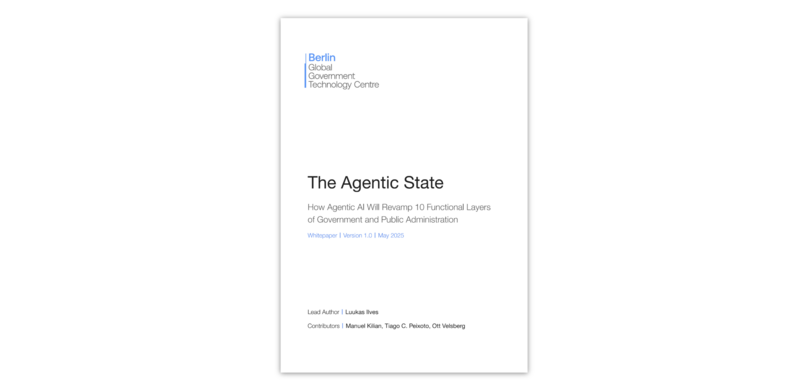
This whitepaper explores how agentic AI will transform ten functional layers of government and public administration. The Agentic State signifies a fundamental shift in governance, where AI systems can perceive, reason, and act with minimal human intervention to deliver public value.Version 1.0 of this whitepaper represents a starting point, not a finished product. Rather than providing a fixed roadmap, its purpose is to stimulate discussion, challenge assumptions, and establish a shared basis for experimentation. The authors aim to work openly, iterate quickly, and learn alongside the wider GovTech community.
The Agentic State: How Agentic AI Will Revamp 10 Functional Layers of Government
GGTC Berlin
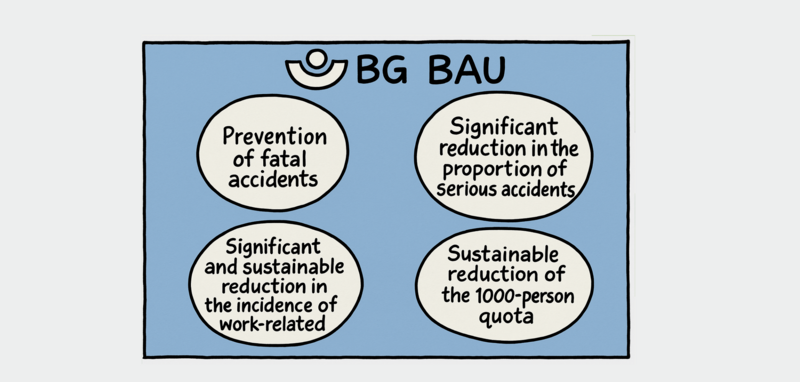
How BG BAU turned AI into a practical tool for smarter inspections and accident prevention in the construction industry, with measurable results in months.The Challenge of Targeted Prevention in a High-Risk SectorAs in all other countries around the world, the construction sector in Germany is among the most hazardous, with high rates of occupational accidents and serious injuries. BG BAU is the statutory accident insurance provider for the construction industry in Germany and is responsible for over 600,000 companies and more than three million insured individuals. Prevention, not just compensation, is central to its remit.However, with a limited capacity of around 500 field inspectors, BG BAU faces a key operational challenge: how to prioritise inspections in areas where they are most needed to prevent serious workplace accidents.Traditionally, inspections followed a fixed rotation and relied on manual indicators that were sometimes outdated. Resources were distributed evenly, regardless of actual risk. Inspectors were also burdened with paperwork, spending up to 30 minutes per inspection writing reports, amounting to an estimated total of 9,000 workdays annually. Consequently, time and attention were often misallocated: lower-risk firms were visited while high-risk sites were overlooked.Recognising this mismatch between risk and resources, BG BAU and the Federal Ministry of Labour and Social Affairs (BMAS) launched a new initiative to shift from reactive to predictive prevention, and to do so quickly, without increasing inspection capacity. The question was: how could AI help deliver smarter safety?An AI Application for Targeted, Risk-based Accident PreventionThis challenge has been met with a concrete solution: an AI-powered tool designed to assist case inspectors in focusing their efforts where they can have the greatest impact. Known internally as 'KI-basierte Unterstützung für zielgenaue Unfallprävention' and launched in 2023, the system is built around an AI model that has been trained using over 10 million data points, including inspection records, claims data, legal infractions, and company histories. The system identifies companies with the highest likelihood of occupational safety issues and updates its risk predictions weekly.Each week, inspectors receive a prioritised list of firms in their region, ranked according to their predicted need for advisory support. The list includes brief explanations for each flag, enabling inspectors to understand and assess the underlying risks. This approach supports, rather than replaces, professional judgement, helping inspectors to tailor on-site advice to specific situations.The system also incorporates recent developments. For example, if an inspector flags a major safety violation anywhere in the country, this information is incorporated into the current week’s scoring. This enables real-time, dynamic prioritisation, which was not possible under the previous, rotation-based model."It is not about doing more. That was never the goal. We did not want to inspect more companies, but rather the right ones, and to help our inspectors focus their advice where it is needed most."— Ellen Hellmann, Consultant for Digitization and Project Manager, BG BAUThe tool uses a human-in-the-loop approach: the AI indicates where and why to look, but the final decision rests with the inspectors. This design has led to widespread internal adoption: 95 percent of inspectors use the tool weekly, and targeted interventions at high-risk sites achieve a success rate of 65 percent.From Vision to Reality: In Less Than a YearFoundations: Trust, Alignment and Organisational ReadinessThe challenge at BG BAU was never one of competence or infrastructure. The organisation already had what many still strive for in place: two decades of structured digital records; a trusted in-house IT provider, BG Phoenics; political backing from BMAS; and the right in-house expertise. However, there was no clear strategy for utilising this infrastructure more effectively and shifting from uniform oversight to targeted prevention.In 2023, BG BAU began developing the tool as part of the Network AI in Labour and Social Administration, which is coordinated by the BMAS and in line with Germany’s national AI strategy. From the outset, the tool was conceived as a practical, operational solution to improve the prioritisation and execution of inspections, rather than as a research pilot. The project received €3.5 million in federal funding from the BMAS, reflecting its potential as a scalable model for the responsible use of AI in public administration.Leadership support was central to the project's success. As the project addressed the organisation's core mandate of preventing workplace accidents, it quickly became a strategic priority and attracted ministerial attention from the BMAS. This visibility helped secure buy-in from across the organisation, ensuring sustained executive-level backing from the outset.The initiative was also characterised by robust internal alignment, which was developed and sustained over time. Key stakeholders, including field inspectors, legal advisers, IT teams, and prevention experts, were involved from the outset and throughout the process. This extensive engagement enabled the project to progress from concept to deployment in under a year, ensuring the solution was integrated into daily practice.Delivery Mode: Agile Development, Embedded PracticeThe project was implemented using an agile, sprint-based development model. Every two weeks, a cross-functional team comprising data scientists, occupational safety experts, legal advisors, and inspectors met to integrate user feedback directly into the system design. The inspectors played an active role in shaping the interface, refining risk indicators, and stress-testing the system against real-world scenarios.Pilot testing began in mid-2023. By December, the solution had gone live nationwide and was fully integrated into the weekly routines of field inspectors. Thanks to the system’s modular design and seamless integration with existing workflows, no additional infrastructure or staffing was required. Training and onboarding were structured to encourage adoption, incorporating live coaching, practical use cases, and visible feedback loops. Since the launch of the AI tool until now, the impact has been clear:Over 4,000 inspections have been carried out for companies that had not previously been flagged.The success rate in high-need cases has risen from 35 percent to 65 percent.61,000 hours have been reallocated from paperwork to prevention.EUR 250 million in projected savings from avoided accidents and claims."We deliberately did not think in terms of support processes, but focused on defining the greatest impact AI could have on our core task: reducing accident burden."— Jakob Kort, Head of Digital Transformation & International Cooperations,  BG BAUTechnology: Modular, Secure, and Ready to ScaleThe solution is based on a random forest supervised learning model. All training data is pseudonymised and extracted from a dedicated analytical layer built on 20 years of digitised records, ensuring compliance with strict data minimisation and German data protection regulations. The system is hosted on-premises and secured with role-based access controls, full audit trails, and external audits. Technical development was led by BG Phoenics, BG BAU’s in-house IT provider, in collaboration with an external IT partner selected through a targeted procurement process.Importantly, the current setup is designed as a flexible AI infrastructure, rather than a one-off application. Its modular, cloud-ready architecture provides a shared foundation for additional use cases, including planned applications in rehabilitation, compliance, and fraud prevention. This establishes the system as a scalable AI platform within the public sector that is capable of supporting multiple domain-specific models while remaining interoperable with other government IT systems.The system has moved beyond BG BAU; other statutory accident insurers in Germany have adopted AI use cases, establishing the approach as a scalable model throughout the German social protection ecosystem. There is also growing international interest, with preliminary collaborations underway in Japan, Brazil and the United Arab Emirates.
Smarter Safety: How Germany’s BG BAU Uses AI to Prevent Workplace Accidents

GGTC Berlin
This global iTalk explores how GovTech can transform the way governments serve their citizens and unlock trillions in public value. With mounting pressure on public institutions to improve efficiency, transparency, and sustainability, GovTech is emerging as a vital tool for systemic reform.Speakers: Manuel Kilian, Managing Director of the Global Government Technology Centre Berlin   Kelly Ommundsen, Head of Digital Inclusion, Member of the Executive Committee, World Economic ForumGovernments worldwide are seeking new ways to deliver more with less. The goal is to boost performance while rebuilding citizen trust. As presented in this iTalk, GovTech is not just a set of digital tools, but a strategic enabler of better governance outcomes. Drawing on the Global State of GovTech Report, which forecasts up to $9.8 trillion in public value by 2034, the discussion focused on three key drivers: efficiency, transparency, and sustainability.From AI-powered decision-making in Brazil to citizen-centred platforms in Rwanda and Ukraine and foundational digital infrastructure in India, this session showcases the measurable impact of real-world GovTech applications. It also highlights how the strategic deployment of AI, digital platforms, and data infrastructure can modernise public services, reduce operational costs, and make governments more agile, inclusive, and trustworthy.The speakers emphasise that meaningful transformation depends on robust implementation, transparent regulatory frameworks, and intelligent, inclusive ecosystems that bring together governments, businesses, and civil society.This iTalk session is co-organised by the Digital Innovation Lab at the European Commission, the World Economic Forum, and the Global Government Technology Centre Berlin.
Innovating Governance with GovTech: A 10 Trillion Dollar Opportunity

GGTC Berlin, World Economic Forum
This article is authored by Valeriya Ionan, Deputy Minister for European Integration at the Ministry of Digital Transformation of Ukraine.While many countries talk about digital transformation, Ukraine has implemented it under the harshest conditions imaginable – pandemic, full-scale war, economic pressure, and systemic disruption – and succeeded.In just five years, Ukraine has built one of the world's most advanced e-government ecosystems, rising from 102nd position in 2018 to 5th in 2024 in the EGDI ranking by the UN for digital services. The Diia super app serves over 22 million users — more than half of Ukraine's population. This didn't happen by accident, nor did it start with the urgency of war. It began with a vision: President Zelenskyy's 2019 campaign promise to build a "state in a smartphone."This vision led to the creation of the Ministry of Digital Transformation, with Mykhailo Fedorov appointed as Ukraine's first Deputy Prime Minister for Digital Transformation. His mandate has since expanded to include innovation, education, science, and technology, reflecting digitalization's central role in Ukraine's development strategy.A Structure Built for Speed and ImpactMykhailo Fedorov assembled a team of young technocrats, including me, from the private sector, with deputies leading critical areas like IT development, public services, digital infrastructure, and European integration. A network of Chief Digital Transformation Officers (CDTOs) across ministries and local governments ensures coherent, fast, and citizen-oriented digital governance. This is one of the cornerstones of Ukraine’s success. The Digital Transformation Committee in Parliament provides legal momentum. Together, these mechanisms create a comprehensive digital engine that is transforming government services into a true “lovemark” for citizens.The Diia Ecosystem: Beyond an AppUnder Fedorov's leadership, the Diia ecosystem has evolved into a comprehensive philosophy of governance:Diia App: The state-in-a-smartphone, offering 30+ digital documents, digital signature, and 40+ essential services (the number is constantly growing)Diia Portal: More than 130 online government services accessible from anywhereDiia.Business: Support for entrepreneurs, from grants to expert adviceDiia.Education: Digital literacy programs that have reached 2.6 million UkrainiansDiia.City: A specialized legal and tax environment helping 1,700+ IT companies thriveDiia.Engine: An open-source low-code tool enabling agencies to build digital services rapidlyDigital Resilience Under FireWhen the full-scale invasion against Ukraine began in 2022, many expected Ukrainian government systems to collapse. Instead, the digital infrastructure not only withstood the shock, but it also expanded in real time.The Ministry of Digital Transformation immediately shifted to wartime implementation, transforming Diia from a convenience into a critical tool of national resilience. Within days, weeks, and months, lots of new services were launched, including:eAssistance: Delivering financial support to millions of displaced citizenseVorog: Enabling secure citizen reporting of enemy movementseRecovery: Streamlining housing repair aid and property claimseMarriage: Allowing couples to marry remotely — named one of TIME's Best Inventions of 2024Despite missile strikes and constant air alerts, blackouts, cyberattacks, and forced displacement, Diia has remained operational — providing essential services, safeguarding civil rights, and mobilizing civic participation.From National Solution to Global PlatformIn April 2024, Ukraine released the Diia platform as open-source software via GitHub in multiple programming languages. This landmark in digital diplomacy offers governments worldwide access to proven, citizen-centric solutions for public service delivery. Ukraine's ability to innovate under pressure laid the foundation for WINWIN — Ukraine's Global Innovation Strategy through 2030. This strategy treats innovation as a core function of the state, not a side project, establishing conditions where innovation can flourish: speed, safety, flexibility, and relevance.WINWIN focuses on (i) creating specialized innovation platforms in priority sectors, (ii) removing regulatory barriers that slow experimentation, and (iii) building direct connections between government, business, and developers.European Digital Resilience: Lessons from UkraineUkraine's experience offers practical lessons for accelerating Europe's digital transformation. But first, let's imagine several scenarios:If a cross-border disaster strikes multiple regions simultaneously, then a unified alert system developed through a public-private partnership could deliver multilingual emergency notifications that function even when devices are in silent mode, ensuring all affected populations receive timely instructions regardless of their location. In Ukraine, we achieved this with Air Alert — a system developed in a few days with private sector partners (Ajax and Stfalcon) that now serves millions.If misinformation spreads during a catastrophic event, then verified information delivery systems can provide threat-specific instructions from authorized sources, preventing confusion and ensuring consistent emergency messaging across affected areas. In Ukraine, we embedded official TV and radio broadcasts directly into our Diia super app, creating a single trusted source of information.If mass displacement occurs due to extreme weather events, then digital humanitarian coordination systems can match affected populations with available resources, automatically identifying vulnerable individuals and connecting them with appropriate support services. Diia's eAssistance feature delivered financial support to millions of displaced citizens.If critical infrastructure fails during a crisis, then digital business continuity platforms can maintain economic activity by providing alternative payment mechanisms and facilitating emergency supply chain coordination when traditional systems are unavailable. Ukraine implemented this through Diia's assistance programs, grants distribution, and Diia.Business consultancy services.If government and private sectors collaborate with a crisis-driven mindset, then digital transformation can happen in days rather than years, creating resilient systems that adapt to evolving threats and scale rapidly to serve millions of users. The blueprint exists—it only requires the vision to implement these systems before the next crisis arrives.I think that Ukraine's digital transformation success hinges on three critical elements often missing from traditional government digitalization efforts: speed, convenience, and vision.Speed as a Strategic AdvantageIn crisis scenarios, weeks of delay translate to lives lost and opportunities missed. Ukraine's approach wasn't just fast — it was deliberately designed for speed. Digital services that would take years to develop in traditional bureaucracies were deployed in days or weeks. This wasn't merely about working faster but about reimagining the entire development process. Europe must recognize that in today's rapidly evolving threat landscape, speed itself becomes a form of resilience. Digital systems developed slowly become obsolete before deployment, creating perpetual cycles of outdated solutions.Convenience as the Ultimate MeasureBy making convenience the primary measure of success, Ukraine created digital services with extraordinary adoption rates. Europe must similarly recognize that digital transformation isn't measured by the number of services offered but by how seamlessly they integrate into citizens' lives, especially during crises.Vision Beyond DigitizationOur vision is to build the most convenient digital state in the world. This isn't merely a technological goal, but a fundamental reimagining of the citizen-government relationship. While many countries digitize bureaucracy, Ukraine chose to reinvent governance from first principles:Government as a platform: Ukraine built Diia as an open ecosystem where government, businesses, and civil society can collaborate and innovate. This platform approach multiplies capabilities beyond what the government alone could deliver.Digital-by-default thinking: The state should operate as a service, without bureaucracy, queues, paperwork, or delays. All state services must be provided electronically. We’re still on our way, but this is our principle.Life event architecture: Services are organized around citizen experiences — birth, education, marriage, business creation, property ownership — not ministerial structures. This human-centred design eliminates the need for citizens to understand the government organization to access services.Public-private innovation models: One should not necessarily replicate Ukraine's exact solutions, but similarly elevate its ambitions beyond digitizing existing processes to reimagining what the most convenient digital state should look like, before a crisis makes such transformation necessary rather than visionary.Lessons LearnedGovernance structure matters: Ukraine's network of Chief Digital Transformation Officers across government created accountability and momentum. Europe could benefit from similar cross-cutting roles with clear mandates and authority to drive change.Crisis as catalyst: Ukraine didn't wait for perfect conditions — it accelerated during the crisis. European nations need not face war to adopt this mindset; treating climate change, demographic shifts, or industrial competitiveness as similar imperatives can drive urgency.User-centric design at scale: Diia's success comes from a relentless focus on user experience and solving real problems. European digital initiatives should similarly prioritize citizen needs over institutional convenience.Modular, open architecture: By developing shareable components and embracing open standards, Ukraine built a system that evolves continuously. Europe's fragmented digital landscape could be unified through similar architectural principles.Regulatory innovation: Ukraine's adaptive frameworks have enabled rapid experimentation. The results speak for themselves: Ukraine's drone sector grew from 7 to over 500 companies in just three years through public-private collaboration and regulatory openness. It is important to have an approach that helps to balance innovation with appropriate safeguards.Europe has been an invaluable partner in Ukraine's digital journey. The EU has recognized Ukraine's digital transformation sector as “well advanced”. Ukraine has been actively harmonizing its national legislation with European frameworks to create favourable conditions for integration into the EU Single Market. These efforts are bringing Ukraine closer to obtaining internal market treatment with the EU for roaming services, electronic trust services, and telecommunications standards.By sharing our hard-won experience in digital transformation under extreme conditions, Ukraine offers its contribution to a stronger, more resilient digital Europe. Together, we can reimagine what convenient, citizen-centred digital governance looks like — combining Europe's research excellence with Ukraine's implementation expertise to create digital systems that serve all Europeans, especially when they need them most.
Ukraine's Digital Transformation as Europe's Digital Opportunity

GGTC Kyiv
CDTO Campus is the first national GovTech educational project dedicated to developing digital leaders and their teams who drive digital transformation in the public sector. Through specialised faculties in GovTech, cybersecurity, AI and Diia, the CDTO Campus equips public officials, as well as specialists from the private and civil sectors who are ready to transition into public service, with essential knowledge and skills to meet the dynamic demands of modern governance. Empowering Ukraine’s Future by Bridging Education and Digital InnovationUkraine recognized early the pivotal role of digital transformation in enhancing governance, improving public services, and fostering citizen engagement. This led to the pioneering introduction of the Chief Digital Transformation Officer (CDTO) position across various government bodies. These individuals, serving as deputy heads in charge of digitalization, are tasked with driving the effective implementation of digital solutions at all levels of governance to make public services more accessible, efficient, and citizen-centric. However, a significant challenge emerged: a shortage of professionals equipped with the specialized knowledge, technical skills, and strategic vision necessary to lead this ambitious digital transformation agenda. Prior to the launch of CDTO Campus, digital transformation efforts often faced hurdles due to a lack of in-house expertise, hindering the efficient adoption of new technologies and the development of citizen-centric digital services. The absence of a cohesive, nationwide training program for digital leaders risked slowing down the national digitalization strategy outlined in the 2021 Resolution 'On the Concept for the Digital Competencies Development and the action plan for its implementation,' which therefore aimed to develop a strong network of digitally competent professionals. The imperative was clear: to accelerate and sustain large-scale digital transformation, a dedicated initiative to cultivate a cadre of skilled digital leaders was essential.Solution: Strengthening Digital Government Leadership CDTO Campus emerged as the first national GovTech educational project dedicated to addressing this critical need. Its core mission is to develop digital leaders (nearly 1,500 CDTOs targeted) and their teams who are the driving force behind digital transformation in the Ukrainian public sector. Recognizing the multidisciplinary nature of digital governance, CDTO Campus established specialized faculties in key areas such as GovTech, cybersecurity, artificial intelligence, and the national Diia digital services platform. The educational program targets public sector professionals as well as specialists from the private and civil sectors seeking to transition into public service, equipping them with the essential knowledge and skills to navigate the dynamic demands of modern governance. The learning approach is highly practical, built on design sprints, case-based learning, and peer-to-peer formats to foster real-world problem-solving. To enhance accessibility and engagement, a dedicated mobile app provides participants with access to educational materials, assessment tools, and real-time progress tracking. CDTO Campus is implemented by the East Europe Foundation, funded by Visa Foundation, the Federal Ministry for Economic Cooperation and Development of Germany (BMZ), and supported by Deutsche Gesellschaft für Internationale Zusammenarbeit (GIZ) GmbH in cooperation with the Digitality GovTech Center of Excellence, under the auspices of the Ministry of Digital Transformation of Ukraine. Cisco serves as the key technology partner, providing vital infrastructure and expertise. Programs focused on specific administrative levels, such as the national or local level, are supported by Switzerland within the EGAP Program, highlighting the collaborative nature of this national initiative. Practical BenefitsThe primary objective of CDTO Campus is to equip the public sector with skilled specialists capable of driving digital transformation and implementing cutting-edge technological solutions. By providing specialized training in technical expertise, leadership, and strategic vision, the project ensures that government institutions at all levels – ministries, regional administrations, city councils and local authorities have qualified digital leaders to lead reforms. The project directly supports state institutions in accelerating digital reforms, improving efficiency, reducing bureaucracy, and fostering transparency. By providing hands-on training and real-world applications, CDTO Campus strengthens institutional capacity for sustainable digital transformation, for instance, its results and impact:In one year, 5,586 applications received, with a high average number of applicants per position;Over 800 graduates, representing diverse gender, age groups, and regions, are actively driving digital reforms across Ukraine;1,536 participants attended open educational sessions on digitalization, expanding access to knowledge and fostering a culture of continuous learning; 100+ Ukrainian and international lecturers with real-world experience in implementing digital transformation projects in both the public and private sectors.The Implementation: A Multi-faceted Approach to Building Digital CapacityCDTO Campus adopted a strategic partnership model. While the core program management and the development of the mobile app and CRM system were handled in-house, external collaborations were crucial for financial support, technical expertise, and specialized knowledge. The selection of partners has been driven by their relevant experience and alignment with the program’s objectives. This hybrid approach has optimized costs by leveraging in-house capabilities while benefiting from external funding and specialized skills, accelerating the implementation timeline and ensuring program quality through the integration of best practices.The program was launched using a phased deployment approach, beginning with a pilot phase to test the curriculum, gather feedback, and refine the training methodologies. This iterative approach allowed for adjustments based on the specific needs of digital leaders in the public sector. Following the successful pilot, the program expanded in subsequent phases, gradually increasing participant numbers, engaging more lecturers, enhancing the curriculum, and integrating additional digital tools. This step-by-step strategy ensured effective resource allocation and seamless adoption.Core Technological ComponentsCDTO Campus integrates modern digital solutions to enhance learning, streamline operations, and support digital transformation leaders in the public sector. Key technological components include: Cloud-based infrastructure – ensures scalability, secure data storage, and seamless access to learning materials.CRM system – custom-built for participant management, communication, and progress tracking, optimizing engagement and learning outcomes.Mobile application – provides flexible, on-the-go access to training resources, interactive modules, and collaboration tools.Website for registration and program information – dedicated online web platform that facilitates participant enrollment, program updates, and resource access, ensuring a smooth onboarding process.Data analytics tools – track participant progress and programme effectiveness, enabling data-driven improvements.Cybersecurity best practices – ensure compliance with data protection regulations, safeguarding participant and institutional information.Cisco technology – supports hybrid learning by providing high-tech equipment and official licenses for interactive displays, conferencing systems, and digital collaboration tools.Security and Data ManagementCDTO Campus prioritizes data privacy and cybersecurity through stringent access control measures, ensuring only authorized personnel can handle sensitive information. All systems and digital infrastructure are protected with robust encryption, multi-factor authentication protocols, and regular security audits. The official website also features dedicated sections outlining the Privacy Policy and Academic Integrity Policy, underscoring the commitment to data protection and ethical conduct. Lessons Learned to Scale Such SolutionThe CDTO Campus model is designed for scalability and adaptability. The cloud-based infrastructure supports a growing number of participants. Furthermore, the partnership with the GGTC Berlin to integrate Ukraine’s digital transformation expertise into Germany’s digital leadership development demonstrates the potential for international replication and knowledge transfer. The modular design of the curriculum allows for customization to suit the specific needs of different government entities or even other countries. The CDTO Campus initiative offers a compelling model for policymakers seeking to accelerate digital transformation within their own public sectors. Its early success in Ukraine demonstrates the tangible benefits of strategically investing in digital leadership development: By equipping public sector professionals with specialized skills and knowledge, CDTO Campus directly strengthens the digital capacity of government institutions at all levels; graduates are empowered to drive the adoption of digital tools and processes, leading to greater efficiency in public administration and improved accessibility and quality of government services for citizens; the program's focus on cybersecurity best practices contributes to building more resilient and trustworthy digital ecosystems within the public sector, etc. By understanding the challenges, the comprehensive solution offered by CDTO Campus, and the key factors contributing to its early success, policymakers can gain valuable insights for developing and implementing similar programs to empower digital leaders and drive effective public sector transformation in their own countries.
Empowering Digital Leaders: How CDTO Campus Transforms Public Sector Training

GGTC Kyiv
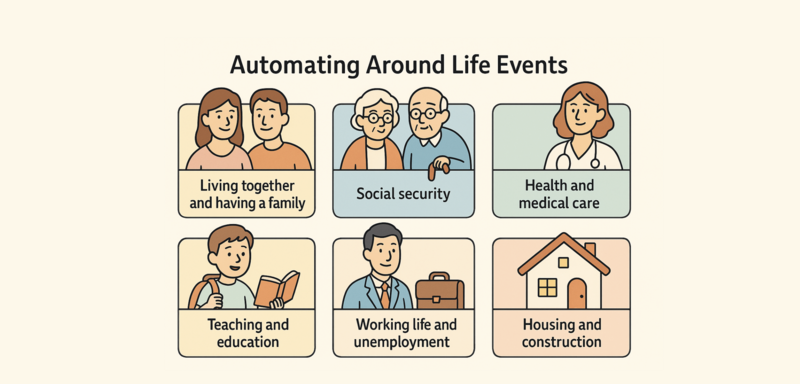
Moving beyond repetitive paperwork and administrative bottlenecks – Conecta gov.br enables real-time, secure data exchange between government agencies, making public services faster and more efficient for citizens and businesses.The Bureaucratic Burden of Data FragmentationOne of the biggest challenges in public administration is data fragmentation - the lack of seamless integration between government agencies, leading to duplicated processes, inefficiencies, and unnecessary burdens on individuals. In Brazil, citizens and businesses often had to submit the same personal or organizational information multiple times to access public services. Each interaction with a different agency required filling out new forms, resubmitting existing documents, and waiting for manual verification, resulting in long waits, unnecessary paperwork and repeated interactions.This fragmented approach delayed service delivery and increased administrative costs, and while some agencies had digital records and interoperability mechanisms, many relied on paper-based or isolated databases that were incompatible with other platforms. Without a standardized method of data-sharing, cross-agency collaboration remained slow, costly, and inefficient.The need for a secure, standardized, and automated method of exchanging government data became evident. A solution was required to eliminate redundant bureaucracy, enhance intergovernmental coordination, and improve public service delivery – all while maintaining compliance with data protection laws and ensuring public trust.Conecta gov.br: A Unified Platform for Government Data ExchangeManagement and Innovation in Public Services (MGI) built Conecta gov.br - a national interoperability platform that enables secure, real-time, and automated data exchange between public institutions. Instead of requiring citizens and businesses to repeatedly submit the same information, agencies can now retrieve, validate, and cross-check data instantly, reducing bureaucracy and accelerating service delivery.Interoperability is now one of the pillars of the Brazilian National Data Infrastructure, which is a set of policies, regulations, tools, and people aimed at integrating, qualifying, analysing, opening and protecting data for strategic use. The Brazilian National Data Infrastructure was established in September 2024 and includes, among other pillars, initiatives in data governance and management.Conceived in 2018–2019 and officially launched in 2020, Conecta gov.br was built as a secure API-driven platform designed to function as a centralized hub for government data-sharing. It offers:Government API Catalog: A structured registry of APIs that enables agencies to seamlessly access verified data sources, eliminating manual requests and delays.API Management System: A governance tool that ensures secure access, compliance with Brazil’s General Data Protection Law (LGPD), and real-time monitoring of data-sharing activities.By linking agencies to authoritative data sources, such as citizen identification, tax records, income verification, and business registration, the platform eliminates redundant paperwork, speeds up processes, and enhances data security. This translated into the following key benefits:Elimination of Bureaucratic Redundancies: Citizens and businesses no longer need to resubmit the same information across agencies.Faster Public Service Delivery: Over 1,000 public services have been streamlined through automated data retrieval.Significant Cost Savings: Since 2020 and up until February 2025, Conecta gov.br has saved the government and citizens BRL 7.72 billion (nearly USD 1.4 billion), with BRL 3.21 billion (about USD 570 million) in 2024 alone,  by reducing administrative overhead and citizen efforts (source).Scalability and Expansion: Initially implemented at the federal level, the platform is now being adopted by state and municipal governments to ensure nationwide interoperability.Enhanced Data Security and Compliance: The system enforces strict access controls, encryption, and LGPD compliance, ensuring secure data protection.Since its launch and up until February 2025, 180 federal government entities and 27 states have joined Conecta gov.br, processing over 1.7 billion secure transactions (source), utilizing more than 75 APIs cataloged in the Government API Catalog, more than 30 of which are available through the interoperability platform. By reducing bureaucracy, automating data-sharing, and improving accessibility, the platform has set a new standard for digital public services in Brazil.Brazil’s Building Blocks for Making Conecta gov.br as SuccessFoundations: Governance and Stakeholder InvolvementConecta gov.br was developed as part of Brazil’s Digital Transformation Strategy, set in 2018. Its implementation was backed by Decree 10,046 (2020), which set legal guidelines for government data-sharing and ensured compliance with LGPD.A citizen-first approach was central to building Conecta gov.br. Civil society organizations were consulted to ensure that the platform addressed real-world needs and promoted transparency. Instead of allowing agencies to dictate data-sharing priorities, the Digital Government Secretariat analyzed the most frequently requested documents - such as identification numbers, income verification, social benefit recipients and rural property registries - to reduce unnecessary burdens on citizens and businesses. By shifting responsibility for data exchange from individuals to public institutions, the government cut redundant paperwork and service delays.Agencies initially were reluctant to exchange data due to concerns over security, control, and governance. To address this, the initiative focused on collaboration, involving agencies in design, testing, and platform refinement. Regulatory alignment provided legal certainty, and training programs helped public servants integrate their systems. Additionally, the Digital Government Secretariat actively supported each agency in setting up and executing their digital transformation plans, ensuring a smooth transition to automated data-sharing. Over time, agencies recognized that automated data-sharing reduced workloads, improved efficiency, and cut operational costs, leading to broad adoption. The Digital Government Secretariat also acts as an intermediary, facilitating dialogue between those who need data and those who are data controllers.Delivery Mode: Free Access to Data as a Key IncentiveThe rollout of Conecta gov.br was designed to be both gradual and strategic, ensuring that key government agencies adopted the platform as it was expanded nationwide.To accelerate adoption, the federal government removed financial barriers by offering free access to critical data for public agencies. Previously, agencies often had to pay for access to key datasets, which discouraged integration. With Conecta gov.br, the government centralised procurement and covered all costs, allowing agencies to join without financial constraints.This incentive structure worked effectively because it (i) removed cost barriers, making integration an easy decision; (ii) demonstrated immediate value, allowing agencies to benefit from real-time data access without lengthy budget approvals; and (iii) streamlined procurement, eliminating bureaucratic delays that existed prior to the launch of Conecta gov.br.This approach proved to be a game changer, resulting in 300 successful integrations within the first year, far exceeding initial expectations. Initially launched at the federal level, Conecta gov.br is now being scaled up to state and municipal governments, enabling seamless data sharing and interoperability across all levels of public administration.Technology: The Digital Backbone of Conecta gov.brConecta gov.br operates on a secure, API-driven infrastructure designed to facilitate automatic and secure information exchange between government systems. Central to the platform is the Government API Catalog, which consolidates available APIs, allowing agencies to seamlessly access verified data sources and eliminate manual requests. An API Management System provides governance tools that ensure secure access, compliance with Brazil’s General Data Protection Law (LGPD), and efficient monitoring of data-sharing activities. Conecta gov.br is supported by public sector technology providers, including Serpro and Dataprev, which ensure the infrastructure can handle high-volume transactions efficiently. This technological infrastructure has facilitated over 1.7 billion secure transactions up until February 2025, underscoring Conecta gov.br's role in transforming digital public services in Brazil.As the platform expands to state and municipal levels, a broader group of stakeholders differing in maturity, scale, and resources comes with new challenges. Establishing a viable financing model tailored to different levels of government is an ongoing effort, with discussions underway to ensure continued adoption and support. The initiative is also exploring scalable solutions to maintain efficiency and drive long-term impact across all public administration levels.
Conecta gov.br: Brazil's National Interoperability Platform for Automated Data Exchange
GGTC Berlin
What if government services just happened – without forms, queues or even login? Finland is redefining public service delivery with a zero-touch approach, a model in which services are automatically triggered around life events and delivered with little or no user interaction.Moving Past Digital Saturation to Proactive Public ServicesBy the early 2020s, Finland had achieved what many countries aspire to: a high level of digital maturity. Most public services were available online, the use of digital identities was widespread, and interoperability between government systems was well established. Citizens had become accustomed to digital convenience, and trust in public institutions remained high.But despite this progress, a fundamental question remained. Citizens still had to take the first step to access services. They had to know when to apply for benefits, update their information across multiple agencies, or make contact for services to which they were entitled. The public sector had digitised its processes – but the logic of service delivery had not fundamentally changed.This raised an important question: What comes after digitisation?  As Mikko Mattinen, Director of Finland's Digital and Population Data Services Agency, put it:"Digitisation is saturating. Many services have been digitised. So the next big question is: how can we serve our people even better?"Rather than simply digitising more forms or building more portals, Finland recognised that real progress lay in eliminating avoidable interactions altogether. The vision that emerged was to move from a user-driven model to one in which services are delivered automatically, based on known life events and trusted data sources, without citizens having to request or even be aware of the underlying processes.This approach became the foundation for zero-touch services: a model where citizens receive public services seamlessly, without needing to navigate administrative procedures or initiate contact with authorities.Zero-Touch Government Services: Automating Around Life EventsFinland's Zero-Touch Government Services idea represents a new approach to the delivery of public services: At its core, the model is based on a simple but powerful idea: when a key event occurs – such as the birth of a child, reaching a certain age, moving to a new address or the death of a family member – the government already has the necessary data to initiate the relevant services. Rather than waiting for citizens to apply, the government can proactively deliver what is needed.The development of zero-touch services builds on two main pillars:Life event-based service bundles, which group services around key moments in life to make government easier to navigate.Data-driven life events, where interoperable data flows between agencies allow services to be triggered automatically without requiring user input, like for example easing the management of the affairs of a deceased relative.Progress is already being made in several areas. In areas such as passport renewal and national ID issuance, biometric data provided for previous documents is reused, eliminating the need for new applications. Business registration has been streamlined to a near one-click experience through strong authentication and pre-populated data. And in taxation, most citizens now receive pre-populated income tax returns that require no action if the data is correct – around 50% of Finns accept their return without making any changes.The ambition goes even further: to create a model where citizens receive the services they are entitled to automatically, without having to interact with government systems at all. When implemented effectively, the zero-touch approach not only reduces bureaucracy and speeds up service delivery, but also strengthens inclusion, improves the citizen experience and increases operational efficiency through the intelligent reuse of trusted digital infrastructure.Rewiring the Public Sector for Proactive Service DeliveryFoundations: Rethinking Governance, Data, and Organisational RolesFinland's move to zero-touch services requires not just technical change, but a rethink of how government services are structured and delivered.At the heart of this shift is a simple but profound reversal: services are no longer initiated by citizens, but proactively triggered by the government based on life events and existing data. This new service logic challenges long-established ways of working, where public sector organisations have traditionally built processes, IT systems and staffing models around receiving applications and requests from citizens.In a zero-touch model, the government anticipates needs rather than responding to them. Services are no longer developed in isolation by individual agencies, but are designed around major life events such as birth, marriage, moving house, starting a business, or death. This requires close collaboration between agencies that have traditionally worked separately. Life events, rather than organisational structures, become the new organising principle for service delivery.This approach also aligns closely with the goals of the EU Digital Compass 2030, which sets a European target for key public services to be available online and organised around life events, making interactions more seamless for citizens across EU Member States. The Finnish model anticipates and advances this vision at the national level.This shift is also changing the role of civil servants. Instead of processing individual requests, their work is increasingly focused on designing seamless service journeys, maintaining data quality, managing event triggers and ensuring legal and operational coherence across multiple agencies. Service design expertise, cross-functional teamwork and agile development methods are becoming essential skills.Finally, public trust is recognised as a prerequisite for success. Automation only works if citizens trust the systems behind it. Finland therefore combines proactive service delivery with high levels of transparency: citizens can see the data held on them and are notified when services are triggered. The principle is clear: the more invisible the service, the more visible the accountability.Delivery Mode: From Application to AutomationBuilding zero-touch services requires a gradual and pragmatic approach to implementation. Rather than trying to transform everything at once, Finland is focusing on redesigning services around the most impactful and common life events first. Life events are selected based on two criteria: their importance to citizens and their potential for automation.Pilot projects, such as the development of a fully automated 'life and death' service bundle, demonstrate the model in action - integrating data for example from the population register, tax administration, banks and insurance companies to automatically handle key matters when a person dies, without the need for multiple separate notifications from the family.Importantly, the Finnish delivery model emphasises collaboration over formal mandates. Agencies work together on the basis of shared goals and mutual benefit, rather than relying on top-down enforcement. This pragmatic culture of collaboration, built over decades of digitisation work, is proving to be a key enabler of progress.Technology: Infrastructure That Enables, Not Just SupportsFinland's zero-touch model is based on a robust digital infrastructure: At its core is the Population Information System, a real-time, continuously updated national registry that contains authoritative data on individuals, addresses, family relationships and vital events such as births and deaths. This system acts as a single source of data, enabling life events to be identified immediately and relevant services to be triggered across government.To move data securely and efficiently between organisations, Finland uses a data exchange layer which is developed based on the X-Road technology. It is not a centralised database, but a decentralised, encrypted network that allows public and private sector systems to exchange information through standardised, secure interfaces. Every data transaction is logged, enabling transparency and auditability - a critical safeguard in a zero-touch environment where services operate without direct user involvement.Suomi.fi e-Identification provides strong, trusted authentication when user confirmation is required, ensuring that automated services can still securely involve citizens when necessary. In addition, Suomi.fi Authorisations allows citizens to delegate rights digitally, for example allowing family members to manage services on behalf of others.Finland's digital architecture is modular and API-driven, allowing new services to plug into the existing infrastructure without having to rebuild core components. By building a decentralised but tightly interoperable infrastructure, the government enables services to respond to changes in the real world – rather than relying on citizens to initiate contact. This technical design turns the vision of a proactive, invisible government into a working reality.
Seamless by Design: How Finland is Delivering Zero-Touch Public Services

GGTC Berlin
Cyber resilience is a practice, not a theory, making it essential to share real-world insights about what truly works. The Cyber Resilience Compass: Journeys Towards Resilience white paper delves into the practical aspects of cyber resilience, drawn from the front-line practices of leading organizations globally. In doing so, it seeks to equip organizations with the insights needed to build robust cyber resilience roadmaps and confidently navigate today’s increasingly complex threat landscape.The paper emphasizes the need to move beyond technical solutions and develop comprehensive strategies that align with business objectives, systemizing front-line practice into seven pathways: leadership; governance, risk and compliance; people and culture; business processes; technical systems; crisis management; and ecosystem engagement. For each area, the paper outlines key practices and illustrative examples. This approach underscores the critical role of knowledge-sharing, establishing a foundation for continuous experience exchange and learning.

The Cyber Resilience Compass: Journeys Towards Resilience
World Economic Forum, University of Oxford
This article is authored by Gustavo Maia, Founder & CEO, Colab.Many economies around the world remain hamstrung by outdated bureaucracies and siloed legacy systems.Governments must embrace digital public infrastructure and GovTech if they are to consistently deliver inclusive, efficient and accountable public services.Some of the most promising examples of digital public infrastructure and GovTech adoption come from the Global South, with Brazil leading the way.
How Brazil Uses GovTech and Digital Public Infrastructure to Drive Development

World Economic Forum
This article is authored by Lars Zimmermann, Member of the Board, GovTech Campus Deutschland, and Manuel Kilian, Managing Director, Global Government Technology Centre Berlin.Germany is finally getting a National Security Council. Long overdue, the new body is meant to centralize security strategy, coordinate across ministries, and provide integrated foresight in an increasingly unstable world. But the Council’s effectiveness will depend on one thing above all: whether it takes technology seriously.Germany is finally moving towards the creation of a National Security Council (NSC), a step many see as long overdue to strengthen strategic coordination at the highest level of government. According to the coalition agreement between the Christian Democrats and the Social Democrats, published on 9 April 2025, the current Federal Security Council is to be developed into a strategic, Chancellery-led decision-making centre for integrated security policy, strategy development and crisis foresight."We will further develop the Federal Security Council, within the framework of the departmental principle, into a National Security Council in the Federal Chancellery. It shall coordinate the key issues of an integrated security policy, engage in strategy development and strategic foresight, conduct joint situation assessments, and thus serve as the forum for unified political decision-making."- Coalition agreement, 2025, translation by the authorsThis moment is pivotal. National security in 2025 is no longer about hard borders alone. It’s about digital infrastructure and its continuity, a sovereign use of key technologies, and the capacity to operate under conditions of cyber disruption, technological volatility, and information warfare.The NSC must address these threats and risks by considering four interconnected dimensions of technology:As a strategic tool for governing and decision-making,As a threat environment that adversaries exploit,As a geopolitical arena,As a platform for cooperation with private and international partners.1. Technology as a Strategic ToolGermany is lagging behind- public services remain fragmented, analogous, and in many cases still reliant on paper. In the event of a major crisis hit such as a cyberattack, natural disaster, or geopolitical shock, would the ministries be able to respond swiftly, share data securely, and coordinate decisions effectively? To answer that question with a clear “yes,” the NSC must treat technology as a strategic tool and actively promote its adoption across all ministries and levels of government.Governments around the world increasingly rely on technology not just for efficiency, but for strategic capacity. Secure cloud services, digital communications, and automation can dramatically improve a state’s ability to anticipate crises, make decisions, and maintain continuity under stress. In essence, digital infrastructure is critical infrastructure.The United Kingdom gives an example of what this looks like in practice. Through its G-Cloud framework, government agencies can rapidly procure secure, scalable cloud services. That means critical systems stay online even during physical disruption or sudden spikes in demand. Cloud has become a foundational layer for resilience, enabling governments to stay operational when the unexpected strikes. In wartime, we’ve seen how vital this is – Ukraine’s government, for instance, credited cloud providers with literally saving its digital infrastructure when Russian attacks threatened its data centers.Technology also helps governments act faster and think ahead. Artificial Intelligence (AI) can detect early warning signs in complex data, flagging risks before they escalate. Machine Learning supports crisis modeling, from pandemics to migration flows. Singapore’s Centre for Strategic Futures builds precisely these capabilities, combining scenario planning with real-time analytics to improve long-term readiness.This means accelerating efforts in areas like digital identity, secure communications, and cloud-based critical services. It’s about building a government that doesn’t freeze when pressure mounts, but instead remains prepared, connected, and capable.2. Technology as a Threat EnvironmentJust as technology empowers governments, it also empowers adversaries. The threats it poses are no less real than traditional military threats, and in many cases they're harder to detect and just as damaging.Cyberattacks are now an everyday reality. German companies and public institutions face thousands of intrusion attempts every day. In 2023, a ransomware attack on Südwestfalen-IT, a municipal IT service provider, temporarily crippled the digital infrastructure of over 70 cities and local authorities, disrupting services from email to citizen portals and administrative workflows. This incident demonstrated how a single successful breach can cascade across institutions and paralyze essential functions of local government. Digital espionage is equally worrying. Multiple breaches targeting the Foreign Office and Berlin-based think tanks have shown how foreign actors aim to infiltrate Germany's political infrastructure and siphon off sensitive intelligence. In 2023 and 2024, Russian-linked hacking groups were publicly blamed for cyber intrusions targeting political parties and government systems and for undermining research institutions.But hacking is just one dimension. Disinformation and deepfakes are a growing strategic threat. Coordinated propaganda campaigns can inflame social divisions, distort public discourse and undermine German foreign policy, such as its support for Ukraine. To understand the scale of the risk, consider the 2024 presidential elections in Romania. Intelligence services discovered widespread algorithmic manipulation by foreign actors, leading to the annulment of the first round – a dramatic example of democracy destabilised by digital interference.A 21st-century NSC must be fully connected to this digital battlespace. It should ensure Germany’s intelligence and security agencies have the tools to detect intrusions early, attribute them correctly, and respond decisively, whether through sanctions, legal action, or active defense. And it must serve as a coordinating hub across ministries to manage the full spectrum of hybrid threats, from cyberattacks to information warfare.3. Technology as a Geopolitical ArenaTechnology is a driver of geopolitical and economic power. In the 2020s, this power is increasingly exercised through control over digital infrastructure, global standards, supply chains, and the norms that shape how emerging technologies are built and used. This is fueling a visible convergence of foreign policy and tech policy – a shift that for years now, other major powers have been approaching far more strategically than Germany.Recognizing technology as a geopolitical arena also makes clear that national security and economic security are inseparable. Control over key technologies, from semiconductors to AI, determines not just who leads economically, but who can remain resilient in the face of coercion, disruption, or dependency. For an export-driven industrial economy like Germany’s, secure digital infrastructure and influence over global tech standards are not niche concerns but matters of economic survival. The NSC must therefore treat tech policy as industrial strategy, and see innovation capacity as a national asset to be protected and advanced.Being passive in this space is no longer an option. A failure to engage would leave Germany a bystander – a rule-taker, forced to operate within standards set elsewhere, whether in Washington, Beijing or beyond. The consequences of such strategic complacency are already visible: Germany’s reliance on foreign suppliers for 5G equipment and critical raw materials has become a widely acknowledged security risk. In contrast, an assertive, forward-looking approach would position Germany as a rule-maker, helping shape the global rules of the road on issues such as AI governance, cybersecurity norms, and technology supply chain resilience.This is also where the much-debated concept of digital sovereignty comes into play, although the term is often used inconsistently and has recently become inflated through overuse. Rather than framing it narrowly as data localization or self-sufficiency for its own sake, the NSC should ground digital sovereignty in the idea of strategic agency: the ability to choose, shape, and defend Germany’s position in the global digital order. True digital sovereignty is not just about minimizing dependencies. It’s about influencing the rule-making around emerging technologies and aligning digital governance with democratic values. The NSC can help shift digital sovereignty from a defensive reflex to a forward-looking framework for strategic leadership.4. Technology as a Platform for CooperationTechnology is not only a domain of tools, threats and strategic influence, it is also a strategic connector. Risks increasingly flow through shared digital systems, public-private dependencies, and international alliances. No country can manage this landscape alone, let alone develop all required skills and expertise in-house. That makes well managed cooperation, both with the private sector and with trusted allies, a core requirement of national security.Building Partnerships Between Government and Technology ActorsCyberattacks require collective detection efforts. The private sector is often the first to see threats. Social media platforms are at the forefront of influence operations. Cybersecurity firms identify malware infrastructure before it reaches critical systems. Cloud providers manage critical digital infrastructure every day, often with more visibility and agility than state agencies.Governments are already adapting to this interdependence. In the United States, the Cybersecurity and Infrastructure Security Agency (CISA) was created to formalize public-private coordination. It supports critical infrastructure operators across all sectors through joint alerts, information sharing, and national-scale exercises. CISA’s model is dynamic, collaborative, and designed to respond at speed.Other countries are building similar approaches. Japan has established an Economic Security Unit within its National Security Secretariat to bring together ministries and industry, safeguarding key technologies through a coordinated national strategy.Estonia stands out as a leader in digital defense cooperation. After suffering major cyberattacks in 2007, Estonia built a holistic ecosystem connecting government, private firms, and a reserve corps of volunteer tech experts. Critically, Estonia institutionalized public-private cooperation: banks, telecoms, and government agencies share information and train together, creating one of the most robust digital security systems in Europe.Germany needs to build similar connective tissue. The NSC should act as the central node linking ministries, public agencies, and industry players. Without this, digital threats will be spotted too late and addressed too slowly. With the right partnerships and processes, however, fragmented signals can be turned into a coordinated national response.International AlliancesTechnological cooperation doesn't stop at national borders. Germany's security is closely linked to that of its allies, especially in cyberspace.NATO already treats cyber as a shared responsibility. Its Cooperative Cyber Defence Centre of Excellence (CCDCOE) in Tallinn serves as a key hub for joint training, planning and doctrine development. The European Union has also strengthened its strategic posture. In 2023, it adopted an Economic Security Strategy based on three pillars: Promote, Protect and Partner. The strategy emphasises investment in innovation, protection of key technologies, and close coordination with like-minded partners on digital standards and governance.These frameworks underscore the growing urgency of technology supply chain security, especially in sensitive sectors such as semiconductors, 5G and AI. As Europe's largest economy, Germany has a responsibility to lead, not just to protect its own digital interests, but also to shape the European and transatlantic approach.The NSC must ensure that Germany speaks with one voice in EU and NATO discussions – on export controls, technology standards and responsible state behaviour in cyberspace. At the same time, it should actively pursue bilateral technology dialogues with key partners to build common frameworks and reduce dependence on suppliers from authoritarian states.A Tech-First NSC: What It Takes and Why This Moment MattersFor years, Germany has been slow to respond to fast-moving global threats – from pandemics to war to technological disruption. The creation of a NSC is a rare opportunity to break this pattern. But seizing it will require more than institutional redesign. It will require embedding technology at the heart of how Germany anticipates, decides, and acts.Building a tech-first NSC means going beyond superficial digitization. It means embedding technology into the mission, mindset, and mechanics of the Council:Mandate: Technology, cyber defense, and digital infrastructure must be treated as core strategic issues. They are not peripheral technicalities. They are essential levers of national power, sovereignty, and global influence.Staffing: Tech leadership must be reflected through the full range of expertise: The NSC needs more than diplomats and generals – it must include engineers, data analysts, and digital policy experts who understand today’s threats and tomorrow’s systems.Foresight: The NSC should establish a dedicated technology foresight unit capable of scanning for emerging risks, running simulations, and modelling long-term trends in security, economic, and technological domains.Infrastructure: The NSC must push Germany to work with secure, modern digital systems for information sharing, real-time coordination and crisis response. It should itself be a model for how the government can operate under digital pressure.Outreach: An effective strategy requires proactive, constant dialogue with the private sector, start-ups, civil society and research institutions. The NSC should institutionalise these relationships and build structured partnerships.Without deep technological capability, the NSC will be blind to the very threats it is meant to anticipate – and miss out on tools that already exist in the tech ecosystem. It will coordinate too slowly, think too narrowly, and remain stuck in 20th-century routines. But if it’s designed for the world we actually live in, the NSC can help Germany leap ahead: anticipating risks, defending the digital space, and shaping policy with speed, insight, and confidence.
Germany’s New National Security Council: Why Technology Must Be at Its Core

GGTC Berlin
Diia.Digital Hromada is a national web platform designed to unlock opportunities for digital leaders within regional and local government bodies. The web platform aims to involve roughly 1469 digital leaders from the local government bodies, 24 CDTO from regional military administrations and provide the access to e-cabinet among digital leaders to develop their skills and knowledge. Moreover, the web platform is a vivid example of adopting data-driven decision making, as it includes several methodologies to track current digital transformation in Ukraine’s regions and communities. The Ministry of Digital Transformation, specifically its Regional Digitalization Unit, is responsible for supporting the Diia.Hromada web platform.Empowering Communities with User-Centric TechnologyDiia.Digital Hromada web platform was created in response to longstanding challenges in local and regional government operations. Traditional administrative processes were often outdated, lacking the agility and digital infrastructure necessary for rapid public service delivery. This GovTech solution was developed to meet the need for: enabling government officials to become proactive drivers of digital transformation; reducing bureaucratic inertia by integrating digital tools and data-driven decision-making; providing a more responsive, transparent, and efficient public sector that can better address citizens’ needs. The web platform is aimed at supporting decentralization, which began in 2014. Within the framework of decentralization, it is planned to create an association of communities in accordance with the European Charter of Local Self-Government. Although the reform has already strengthened local self-government, further development of communities requires new innovative-technological solutions. Diia.Digital Hromada web platform helps to coordinate digital transformation in regions and communities, to address current challenges, and to present new digital solutions.The Ukraine’s President presented the 'State in an App' in 2019 which prompted a rethinking of public governance in Ukraine. According to a public poll, ~99% of Ukrainians use the internet, which makes the web platform the most accessible and convenient tool for interaction with citizens. The creation of the Diia.Digital Hromada web platform is a step in complementing the Diia ecosystem and in directly providing regional and local state administrations, local self-government bodies, and citizens with the information necessary for digital development and transformation at the regional and local levels. The digital transformation of regions and communities is primarily necessary for providing quality public services, ensuring access to cellular communication and fixed internet, as well as for improving the level of cybersecurity and the functioning of critical infrastructure. Modernizing Local Government The web platform is integrated with the national electronic identification system. For user authorization, an integrated electronic identification system (ID.gov.ua) is used, which supports Diia ID, BankID, MobileID, and a qualified electronic signature. This ensures unambiguous identity verification upon logging into the portal, and also meets the requirements for personal data protection. User personal data is protected, and the web platform has a conformity certificate of a comprehensive information protection system.Diia.Digital Hromada has the potential to enhance ongoing local digital transformation, more specifically: Measuring the level of digital transformation of each community and region through the Regional Digital Transformation Index and the Territorial Communities Digital Transformation IndexProviding methodological recommendations for the implementation of digital solutions locally and highlights the best practices of state digital solutionsExperience exchange in rolling out digital solutions at the local government levelHelping communities independently manage digitalization, raising the level of digital maturity and more.Verifiable benefits through the systemImplementation of the web platform assists to support the digital transformation of regions and communities through a single platform. Over several years after the introduction of the CDTO (Chief Digital Transformation Officer) position, a significant increase in the number of digital leaders in territorial communities has been observed. Now more than 1088 digital community leaders have joined the Diia.Hromada web platform as of April 2025. This means that most communities have designated a responsible official for digital development in the local self-government body. All regional CDTOs are on the same wavelength and have access to information about state digital initiatives. Such consolidation of efforts significantly increased the efficiency of digital transformation at the local level and demonstrated the success of the chosen partnership model. Furthermore, digital transformation indexes on the portal are monitoring tools of the current level of digitalization and the growth zones for each community. Partnerships and ProcurementThe Diia.Hromada web platform is created by the Ministry of Digital Transformation of Ukraine with support from the Swiss-Ukrainian EGAP Program, implemented by East Europe Foundation.During the beta stage, the platform was continuously updated with materials and shortcomings were corrected. This ensured that the product quality met the requirements and that all parties remained satisfied with the result. A customized product was implemented by the Ministry based on the actual requests of communities. This ensured a high compliance of the portal's functions with the needs of the target audience.Rollout StrategyThe deployment of the Diia.Hromada web platform solution followed a phased approach. Initially, the platform was launched in a pilot mode. Today, the Ministry of Digital Transformation of Ukraine is working on development of new functionalities of the web platform.Core Technological ComponentsThe web platform is integrated with the national electronic identification system. For user authentication, an integrated electronic identification system (ID.gov.ua) is used, which supports Diia ID, BankID, MobileID, and a qualified electronic signature. This ensures unequivocal identity verification upon login to the portal, as well as compliance with personal data protection requirements. Thus, the Diia identification services (in particular, the citizen account and the Diia.Sign electronic signature) are integrated into the portal, allowing officials to securely access its functions. Moreover, the web platform includes a data analytics panel with interactive dashboards to display quantitative information about the digital transformation in 24 regions and all communities of Ukraine.Security and Data ManagementAmong the main security measures the web platform contains a comprehensive information protection system; electronic identification; validation of entered data (data type, value, format) on the web platform; encryption of information stored in the database; access management (permission/denial/handling of access); role management (for example, password validity period, account blocking, use of a secure SSL connection); constant review of all security technologies and innovations for their further implementation, etc.Digital Future for Every CommunityThe Diia.Hromada web platform is designed with scalability in mind, facilitating its adaptation across various regions, departments, and contexts within Ukraine. It offers a comprehensive Digital Guide that presents three tailored pathways for digital transformation- basic, extended and advanced level to provide recommended projects and detailed roadmaps, enabling communities to select and implement solutions that align with their specific needs. Also, the web platform provides an extensive knowledge base for digital leaders, including educational materials, research, best practice guidelines, and normative documents to drive digital transformation.
Strengthening Local Governance via Diia.Digital Hromada

GGTC Kyiv
The Diia.Business Web Platform offers a comprehensive digital solution that supports entrepreneurship at every stage of business development. It acts as a one-stop shop for Ukrainian enterprises, providing tools, resources, and support services that help startups and established companies grow and expand in local and international markets.Empowering Ukrainian Entrepreneurs through a Unified Digital PlatformThe Diia.Business project is owned and coordinated by the Ministry of Digital Transformation of Ukraine, which is responsible for its strategic direction and overall management. Ukraine has about 698 legal acts within the deregulation reform and 791 tools of the state’s deregulation. In this regard, to enhance the business climate and drive economic growth, the Ukrainian government prioritises the reduction of regulatory burdens through the digitalization and deregulation of licenses, permits, and approvals. In 2024, the Diia.Business team developed an adapted EntreComp+ Entrepreneurial Competency Framework, enhancing it with new skills that reflect the evolving digital entrepreneurship landscape and emphasize adaptability and lifelong learning.Addressing the Need: A Holistic National InitiativeDue to the lack of a comprehensive state solution for supporting entrepreneurship at all stages—from idea and business registration to scaling—the Ministry of Digital Transformation of Ukraine launched the Diia.Business national project in February 2020. Additionally, the web portal was designed to provide free digital services for entrepreneurs, particularly amid COVID-19 and the shift to online business operations. Diia.Business contains two components: the Diia.Business online web portal, operating as a one-stop shop for entrepreneurs since 2020 and updated in September 2024, and the Diia.Business entrepreneur support centers, which include 15 offline hubs in Ukraine and beyond.Key stakeholders include the Ministry of Digital Transformation of Ukraine, local government agencies and regional authorities, financial institutions and donor organizations, private sector partners such as IT companies and business consultants, and end users (entrepreneurs).Expanding Reach and Relevance through Offline and Online SynergyA network of 15 entrepreneur support centers—14 in Ukraine and 1 abroad in Warsaw—has already been visited by over 188,000 entrepreneurs. Since its launch, the Diia.Business web portal has seen a remarkable expansion, with user numbers rising from 1.5 million in 2021 to 13.6 million by 2025, demonstrating a nearly tenfold increase in visit frequency over four years. This sustained growth underscores the government's ability to anticipate market trends, deliver high-value content, and continuously enhance user experience. Diia.Business plays a pivotal role in business support by offering free expert consultations across more than 16 key domains, including finance, legal advisory, taxation, HR, and export. Over four years, the volume of consultations has grown nearly eightfold—from 5,700 in 2021 to 47,000 in 2024—highlighting the initiative’s growing relevance and effectiveness. With 70% of Diia.Business center services offered at no cost to businesses, the remaining 30% supports the financial sustainability of business support centers, covering rent and personnel expenses. By the start of 2025, Diia.Business had disbursed over UAH 211 million in grants, empowering businesses with critical financial support. Furthermore, it organized over 65 national stands at international exhibitions, with more than 440 companies participating in such events during 2022–2024. The Diia.Business team can identify trends, optimise resource allocation, and refine business support services to better align with market needs. The main list of KPIs of the Diia.Business is: Portal traffic and user engagement metricsNumber of free consultations provided User satisfaction and feedback scoresGrowth in business registrations and export activitiesParticipation rates in events and educational programsOverall impact on the development of the entrepreneurial systemSolution: Leveraging Infrastructure for Scalable Digital DeliveryThe solution leverages existing government digital infrastructure, including robust server capacities and an integrated email distribution service. The web platform is hosted on scalable cloud services and is planned for further enhancement with artificial intelligence to improve user engagement and service personalization. Additionally, the platform integrates data analytics and visualization tools in real time, which are part of the government's infrastructure. These tools provide real-time insights into user interactions and web platform performance, enabling informed decision-making and continuous service optimization.The Diia.Business portal includes several useful navigational sections tailored for specific user groups. These include Diia.Business Start, Diia.Business Development, Diia.Business Export, Diia.Business for Women, Diia.Business for Veterans, and Diia.Business Digital. The platform offers a free consultation service for entrepreneurs covering over 70 topics, supported by about 100 professional experts who participate on a pro bono basis. A financial opportunities marketplace allows users to search for available financial programs for business development. This service currently features over 400 financial programs from 35 banks, 17 regional administrations, and 4 donor organizations, all of which manage and update their programs via their own accounts on the portal.Export services are available for companies planning to or already developing export potential. These include tools like export readiness assessments, foreign market research, international product requirements, and international public procurements. The portal also features partner proposals from the private sector for entrepreneurs and exporters, along with tenders and sourcing requests that help establish B2B partnerships between Ukrainian companies and foreign buyers.Other services offered include a list of business ideas for startups with minimal capital investments, self-assessment tools for data protection, data security, business practices, and human rights, as well as a tool for searching the UKTZED code for Ukrainian export-oriented companies. Entrepreneurs and exporters can also benefit from analytics tools presented through research and interactive industry dashboards.Educational support includes free online courses (more than 18) on topics such as improving business processes, financial literacy, sustainable development, and marketing, along with webinar projects and long-term programs. A calendar of events and exhibitions for entrepreneurs and exporters is regularly updated, and the platform shares success stories and practical case studies detailing professional journeys. It also provides directories such as the Entrepreneur Handbook and Exporters Handbook, and delivers news on innovations, initiatives, and external opportunities.Tangible BenefitsThese include:A catalog of business ideas with ready-to-use templates and legal documentsOnline services and support programs for entreprenuersA handbook for entreprenuers which has been compiled by government and industry expertsSuccess stories of individuals who started their own businessExpert consultations via video call on topics such as business process management, marketing, sales etcThe updated Diia.Business portal offers enhanced functionality for entrepreneurs. It features a personal user account that stores the most up-to-date content on export, grants, educational programs, training, and other development opportunities. The portal provides personalized content recommendations and event listings—including workshops, seminars, and international exhibitions—with the ability to add events to Google Calendar with one click. A chatbot also delivers content on demand, easing navigation through the portal.The Diia.Business team can identify trends, optimize resource allocation, and refine business support services to better align with market needs. Its key performance indicators include portal traffic and user engagement metrics, the number of free consultations provided, user satisfaction and feedback scores, growth in business registrations and export activities, participation rates in events and educational programs, and overall impact on the development of the entrepreneurial ecosystem.Partnerships and ProcurementThe solution was developed through a competitive procurement process and strong public-private partnerships. Collaborations with leading Ukrainian IT companies ensured access to modern technology and innovation, while adherence to transparent procurement practices maintained cost efficiency and customization suited to the project’s needs.Rollout StrategyThe platform was deployed in a phased manner. A pilot phase in select regions allowed the project team to refine the solution based on user feedback before a nationwide rollout. Following the domestic launch, the network expanded internationally with a support center in Warsaw. This strategy facilitated gradual scaling and iterative improvements.Core Technological ComponentsThe web platform employs a robust web-based architecture with cloud-based infrastructure. Key components include AI-driven chatbots for personalized user assistance, advanced data analytics and interactive dashboards, secure APIs for integration with government databases and external services, and a modular design that enables continuous updates and feature expansion.Designed with a modular and cloud-based architecture, the solution is also highly scalable. It can support a growing number of users and additional functionalities, making it adaptable to other governmental projects or regional expansions with minimal modifications.Security and Data ManagementHigh-standard cybersecurity measures are in place, including data encryption, multi-factor authentication, and regular security audits. The platform complies with national and international data protection regulations, such as GDPR, to ensure data integrity, confidentiality, and user privacy.Scalable Beyond BordersDiia.Business shows how a government can actively empower its entrepreneurs by combining smart digital tools with real-world support. By building a single platform that brings together consultations, funding opportunities, training, export support, and expert advice, the Ukrainian government has created a practical, accessible space where businesses can thrive—from their first idea to international growth. The project not only makes it easier for people to start and grow businesses, but also strengthens the country's economy by encouraging innovation and resilience. As Diia.Business continues to grow and adapt, it stands as a powerful example of how digital public services, when thoughtfully designed and rolled out, can make a real difference in people’s lives.
How Ukraine Fosters Business Climate via the Diia.Business Web Platform

GGTC Kyiv
This article is co-authored by Robert Opp, Chief Digital Officer, United Nations Development Programme (UNDP), and Keyzom Ngodup Massally, Head of Digital Programmes and AI Programmes, Chief Digital Office, United Nations Development Programme (UNDP).South Africa's G20 Presidency has set its agenda for digital public infrastructure (DPI) and AI.Yielding DPI's benefits depends on how countries design and implement it.The UNDP is partnering with South Africa’s G20 Presidency to advance action on DPI and AI for the Sustainable Development Goals.
South Africa Sets Its Ambitious G20 Agenda for Digital Public Infrastructure and AI

World Economic Forum
This article is authored by Manuel Kilian, Managing Director, Global Government Technology Centre Berlin.Too often, digital public services are confusing, inaccessible, and frustrating for the very people they are meant to serve. Poor user experience (UX) doesn’t just inconvenience citizens; it undermines trust, widens inequality, and reduces the effectiveness of public administration. UX must be at the core of how governments design and deliver public services.Governments around the world are accelerating their shift to digital service delivery. From filing taxes to claiming benefits, citizens are increasingly relying on digital platforms to access essential public services. But despite significant investment in digital infrastructure, the user experience (UX) of these services often falls short of expectations.Public websites and portals are often difficult to navigate, rely on outdated technologies and use language that is neither clear nor inclusive. Interfaces are inconsistent, forms are poorly structured and small usability issues add up to widespread frustration. These are not minor inconveniences. Taken together, they reflect a deeper systemic problem: a persistent failure to prioritise user needs in the design of public services.This is not just a matter of aesthetics or convenience. Poor UX undermines trust in public institutions, restricts access for those who need services most, and ultimately reduces the effectiveness of public administration. When services are difficult to use, they become functionally inaccessible – to the detriment of citizens and governments alike.What Is UX – and Why It MattersUX refers to the overall quality of a person's interaction with a service, product or system, in this case, digital public services. It encompasses not only visual design, but also ease of use, accessibility, clarity of language, responsiveness and emotional impact.Good UX ensures that users can intuitively find what they need, complete tasks efficiently and feel confident throughout the process. In the public sector, this means that a citizen applying for a permit, reporting a change of address or accessing social services can do so easily and without confusion.Ultimately, good UX is about removing friction – not just in clicks, but in trust, understanding and inclusion. When designed well, it enables services to serve everyone fairly and effectively.Bureaucracy by DesignA fundamental cause of poor UX is that many government services are designed from the inside out. Processes are shaped by institutional logic – policy requirements, administrative procedures, legacy databases – rather than the experiences and expectations of the people who use them. While this approach may meet internal compliance objectives, it often results in services that feel opaque, rigid and alienating to the end user.The underlying mentality is clear: services are often built to meet bureaucratic requirements with little regard for usability. For example, many online forms are digital replicas of outdated paper documents, carrying with them decades of accumulated complexity. In some cases, the language is taken directly from legal documents, leaving citizens to decipher terminology that even experts struggle to interpret.As one UX researcher working in the public sector described it to me, civil servants often approach digital transformation by asking, "What information do we need to collect for our internal systems?". Citizen needs – clarity, usability, accessibility – are secondary considerations, if they are considered at all.This focus is understandable, but ultimately counterproductive. In the private sector, poor UX has immediate consequences: customers leave. But in the public sector, where there is no competition, the consequences are less immediate. The result is a culture where usability is not prioritised, and where complexity is passed on to the user rather than being solved at system level.The Consequences for Trust and InclusionThe quality of the user experience in digital services has a direct impact on public trust. Citizens form impressions of government competence and care through their daily interactions with public institutions, increasingly online.When a website crashes, when a form resets halfway through, or when navigation is unintuitive, it sends a message that the institution behind the service is disorganised or indifferent.This erosion of trust has wider implications. It can reduce engagement, increase scepticism about public initiatives, and discourage people from accessing services to which they are entitled. And for people with limited digital literacy, disabilities, or limited time and resources, poor design is more than an annoyance – it is a barrier to access.The assumption that citizens will persevere through difficult digital processes because they have no choice is flawed. Many will simply disengage or turn to offline alternatives that are more costly to manage. Others may abandon their efforts altogether, resulting in unclaimed benefits, delayed renewals or unresolved issues. All of this creates avoidable burdens for both users and the public sector.Governments Getting It Right: International ExamplesNot all public administrations fall into this pattern. A growing number of governments have demonstrated that it is possible, and indeed essential, to put the user at the centre of digital service design. The following examples show that improving UX is not just a technical exercise, but a strategic commitment to public value and institutional trustworthiness.United Kingdom: From Fragmentation to ConsistencyOver the past decade, the UK has become a global leader in public sector digital transformation. The launch of the Government Digital Service (GDS) in 2011 marked a shift in the way services are designed, delivered and maintained. At the heart of this transformation was a clear principle: start with users' needs and build services around them.The GOV.UK platform replaced hundreds of disconnected departmental websites with a single, unified platform designed to be simple, accessible, and consistent. A central design system was introduced, providing standardised components and guidelines for clarity, usability and inclusivity. The content strategy emphasised plain English and all digital services were required to meet rigorous service standards, including accessibility compliance and evidence of user testing.In addition to interface improvements, GDS introduced structural reforms. Departments were encouraged to embed service designers, UX researchers and content specialists within their teams. Services were assessed not just on technical completion, but on user success - whether citizens could easily and independently complete their intended tasks.The impact has been measurable. In the 2013-2014 financial year alone, the UK government reported savings of £210 million thanks to reduced duplication of services and improved digital adoption. More importantly, it has made services easier to use for millions of people. The UK's current efforts to implement a universal 'one login' system to access all government services reflects a continued commitment to improving the user experience through simplification and integration.Denmark: Digital by Default, Designed for PeopleDenmark has long been at the forefront of digital government. By the early 2010s, it had implemented a 'digital by default' strategy that required most citizens to access government services online. Initiatives such as mandatory digital mail and electronic identification systems (e.g. NemID and later MitID) enabled secure, consistent access across services.However, Denmark also encountered the limitations of digitisation without design. Early implementations revealed significant differences in usability across services. While some portals were intuitive and citizen-friendly, others were difficult to navigate, leading to frustration and inequality of access.Recognising this, the Danish government invested in better UX design practices. A central agency for digitisation was tasked with developing guidelines to ensure user-centred design across government. Legal frameworks were also adapted to remove barriers to digital usability, such as the requirement for physical signatures.The focus on UX has paid off. Today, Danish public services are not only digital, but largely coherent and user-friendly. Citizens can manage their taxes, apply for housing benefits or register life events online with minimal effort. The lesson from Denmark is clear: large-scale digital transformation will only succeed if usability is treated as a primary concern, not an afterthought.Estonia: A Fully Digital State Built Around the UserEstonia is perhaps the most ambitious example of user-centred digital government. By 2024, the Estonian government has announced that 100% of public services will be available online. Citizens will be able to register businesses, sign contracts, vote and even initiate divorce proceedings electronically - all from a single secure platform.Estonia's success is not simply a matter of putting services online. It is the result of a deeply integrated and user-centric infrastructure. The 'once-only' principle ensures that citizens never have to provide the same information twice. Government databases communicate via a secure digital backbone (X-Road), eliminating redundant paperwork and streamlining transactions.Instead of building siloed services, Estonia designs around life events. For example, when a child is born, parents are guided through a series of pre-populated forms that automatically link healthcare, civil registration and benefits. Tasks that in many countries would involve multiple agencies and office visits are completed online in minutes.Underlying this approach is a clear philosophy: public services should be as simple and intuitive as the best consumer platforms. Estonian officials have emphasised that citizens should not have to understand the inner workings of government to get what they need – the system should be built to accommodate them, not the other way around.UX is Infrastructure, What Governments Can DoAs these examples show, UX is not simply about user satisfaction – it determines whether government services work, and for whom. Well-designed digital systems reduce operating costs, improve efficiency and widen access. Poorly designed ones do the opposite.UX is also about democratic legitimacy. If services are inaccessible or alienating, the public's ability to engage with governments is diminished. Trust is not built through slogans or social media campaigns; it is earned through consistent, reliable and respectful interactions.To realise the potential of digital government, institutions must treat UX as a core competency. This requires embedding design professionals within public sector teams, commissioning user research and usability testing, and developing shared design systems to promote consistency.Procurement processes should be adapted to prioritise usability. Training programmes must ensure that civil servants understand the principles of human-centred design. Above all, leadership must recognise that design decisions are policy decisions – and that the way a service is delivered is inextricably linked to the impact it has.In short, user-centred design is not a luxury. It is public infrastructure for the digital age.
Why Bad UX in Government Is a Public Trust Issue – And What to Do About It

GGTC Berlin
The article is co-authored by Marc Reinhardt, Executive Vice President, Public Sector Global Industry Leader, Capgemini and Manuel Kilian, Managing Director, Global Government Technology Centre Berlin. It was first published as part of Capgemini's expert perspectives.It is time for decisive action. GovTech has enormous potential to create a more responsive, inclusive, transparent, and efficiently-performing public sector: one that better meets societal needs. And now, perhaps more than ever, the design and application of tech products and services is a strategic topic for governments globally.Why now? Because as well as facing profound changes in the political and geostrategic landscape, governments today have an extraordinary opportunity in GovTech to reimagine the public sector as the operating system of society, where technology can unlock unprecedented value for all.Thus, GovTech is not just about digitizing processes to make public service delivery more efficient and to improve the citizen experience – it is a central catalyst in redefining government for the future.This is one of the strands in a new report from the World Economic Forum and the Global Government Technology Centre (GGTC), in collaboration with Capgemini.The Global Public Impact of GovTech: A $9.8 Trillion Opportunity quantifies the public impact of GovTech, rather than focusing only on the size of the GovTech market, which previous reports have done.This value-impact thinking positions GovTech as a topic for investigation not just by government CTOs and IT departments, but by the broader leadership community, from agency and departmental heads to secretaries of state and government ministers. As we see it, we’re not there yet in this respect – but we should be!The changing nature of GovTechYou might argue that governments have been using technology to improve how they operate for decades. And you’d be right. So, what’s different about the current state of GovTech?To answer this, let’s start with the technology itself. There’s a plethora of new and emerging digital tools that can now be harnessed to modernize public sector operations. These include the real-life examples of AI-powered platforms being used to detect financial fraud and to speed up tax processing, and data-driven early-warning systems improving disaster response.Many of the newly available technologies offer the ability to create comprehensive systems that streamline government functions and interactions with both citizens and businesses.We can use these technologies in an interconnected way, enabled by foundational digital capabilities, such as digital identity systems and payment platforms, to deliver seamless, interoperable government services.The need for action on challengesOf course, beyond the availability of game-changing technology, governments must address challenges that would be difficult to tackle without technology.First, there are barriers to the continued delivery of public services, including legacy systems that are no longer up to the task. Second, there are global challenges, ranging from climate change to resource scarcity and global health crises.GovTech offers a means for governments to co-ordinate responses to all of these within and across national borders. But only with a collaborative mindset.Adopting an ecosystem approachThis need for collaboration brings us to our next point: Value today is rarely created by just one solution from just one company, but rather by curating the best partners to achieve the mission at hand.As a result, GovTech extends to a broad ecosystem of providers, integrators, manufacturers, cloud providers, software vendors, startups, etc., as well as to the government bodies they’re supporting.Collaboration will be essential to advance global GovTech developments, as exemplified by the World Economic Forum’s 2024 launch of the GGTC in Berlin in September and in Kyiv in December – with a network of further Centres planned globally. These will connect innovation ecosystems to a global community of experts and practitioners to inform and inspire the GovTech agenda worldwide.This agenda moves us beyond “IT” as it’s understood today. As the World Economic Forum sees it, GovTech enables a “whole-of-government approach by applying emerging technologies and digital innovations to enhance the efficiency, effectiveness, and accessibility of public administration and services”.How GovTech creates valueDelving into these enhancements, the new report states that the GovTech market will create an opportunity to generate $9.8 trillion in public value by 2034. This value will be realized through three key value drivers:Efficiency gains: Streamlining processes, reducing costs, and improving service quality.The application of technology to automate processes and optimize resource allocation can drive improvements that research suggests could lead to a 30% increase in efficiency, with global savings projected to reach $5.8 trillion by 2034.Transparency: Enhancing accountability in process, reducing corruption, and building public trust.The adoption of digital tools, such as e-procurement systems, e-invoices, and digital IDs, increases transparency within government operations. It is estimated that GovTech solutions could reduce the financial toll of corruption by as much as 10%, potentially saving $1.1 trillion by 2034.Sustainability: Optimizing resources, cutting waste, and supporting environmental sustainability.Digitizing public services reduces reliance on resources, from paper to fuel, directly minimizing the environmental footprint of the public sector. Factors such as remote work, efficient building management and reduced vehicle emissions are crucial to making the public sector less resource intensive.That’s not all. Value creation will extend beyond merely digitizing processes and automating tasks to embrace the building of digital public infrastructure (DPI), for example digital identity systems and payment platforms, and digital public goods (DPGs), such as electronic health record management systems.This will drive greater public impact, helping to create safe and inclusive participation in markets and society. To support governments on this journey, the GGTC Berlin aims to promote best practices and re-use of existing GovTech solutions in the public sector.Use cases evidencing the impact of GovTechA well-functioning administration, supported by efficiency, transparency, and sustainability, strengthens citizens’ trust in the state and thus stabilizes the government and its structure. Strategized and implemented well, GovTech is a key pillar for achieving this.The impact of successful GovTech implementations is already being realized in some trailblazing administrations. This includes:Rio de Janeiro’s GRAS, which detects risks of corruption and bias in government contracting via advanced data analytics.Ukraine’s Unified State Electronic System in the Construction Sector (USESCS) that is bringing transparency to the construction process, covering the entire project life cycle and reducing corruption risks.Malaysia’s National Digital Identity (NDI), which allows users to authenticate themselves online for various services without relying on physical identification documents.Germany’s City of Hamburg, simplifying the procurement process for startups with its GovTecHH initiative. This enables startups to bypass traditional bureaucratic delays, accelerates the adoption of innovative solutions, and makes it easier for those young companies to engage with public administration.Taking action – now!Clearly, some administrations are already embedding new technologies, like AI, virtual reality and the internet of things (IoT), within government operations.Emerging economies in particular are using them to leapfrog developments and modernize their administrations at breathtaking speed. In the mature OECD countries, full-scale GovTech transformation doesn’t happen overnight.Here, barriers exist, such as outdated, fragmented legacy systems that are not easily compatible with modern digital solutions. Or there is a lack of leadership buy-in to the strategic value (societal, environmental, public trust, etc.) of GovTech.We believe that strategic and decisive action is needed to realize the potential of GovTech. Sharing lessons and transformation experiences within the GovTech ecosystem can help.As Markus Richter, State Secretary at the German Federal Ministry of the Interior and Community, said at the launch of the GGTC in Berlin: “We need to learn from each other, explore existing use cases, and fast-track high-priority digital transformation activities. It is crucial to provide a platform like GGTC for this kind of collaboration and exchange between governments, technology companies, or research organizations.”Together with our partners we’re helping public administrations tap into the value of GovTech. Our own extensive experience of creating and leveraging digital ecosystems will help government organizations access new and emerging GovTech solutions with huge potential to drive greater value, foster innovation and, importantly, instill public trust.
Realizing the Potential of GovTech – If Not Now, When?
GGTC Berlin, Capgemini